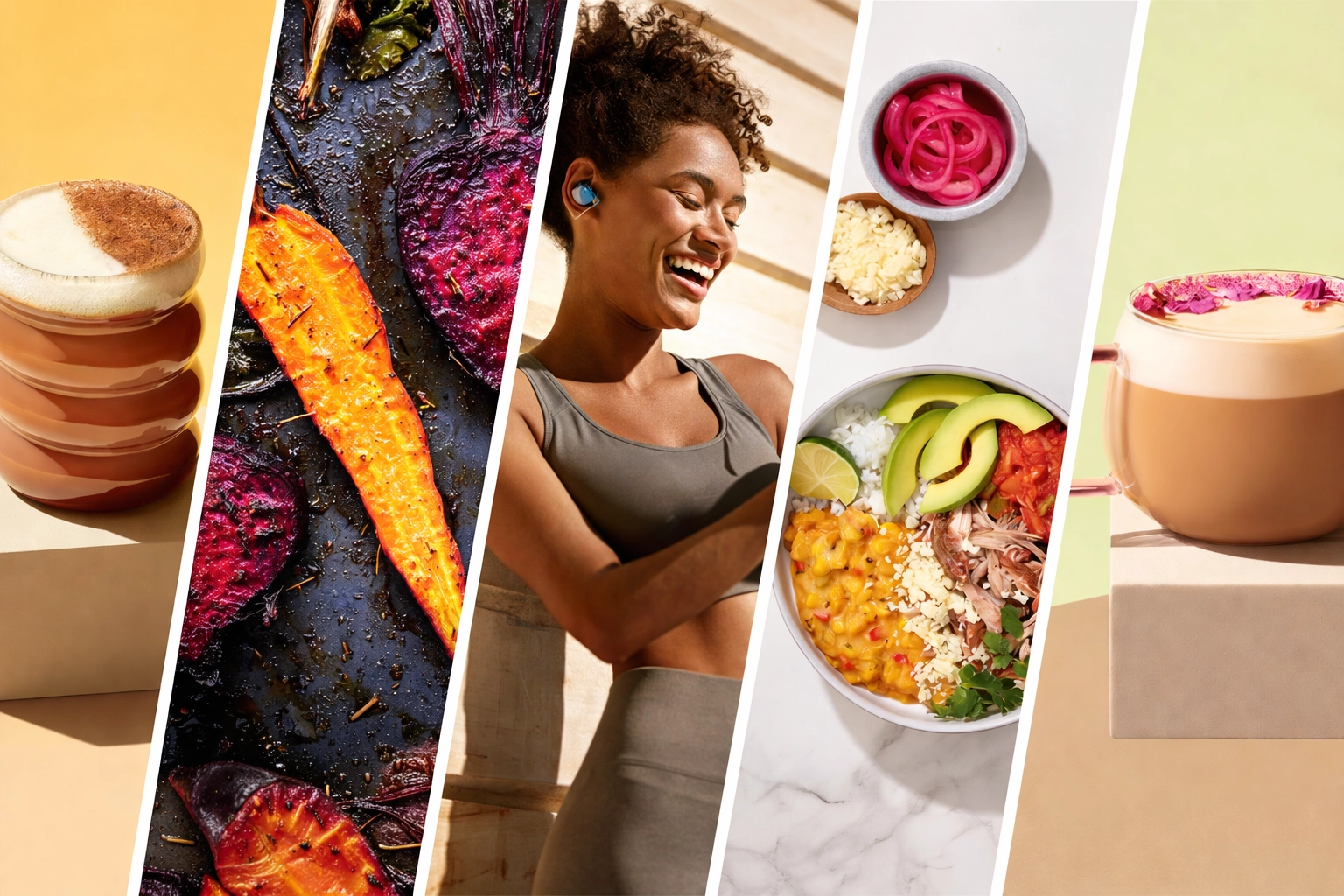
If you’ve been wondering what’s next for foodservice menus in 2026, Campbell’s Foodservice just handed you a roadmap. The company has released its highly anticipated 2026 Culinary TrendPulse Report, a data-driven deep dive into the consumer behaviors and culinary movements that are reshaping how operators need to think about their menus this year.
Spoiler alert: it’s not just about what’s on the plate anymore. It’s about how that plate connects to values, health goals, and cultural identity.
The report identifies four critical trends that foodservice operators, hospitality managers, and procurement directors need to have on their radar. These aren’t just fleeting fads: they’re backed by real-time AI monitoring and consumer research that tracks menu trends from their earliest emergence through mainstream adoption.
Let’s break down what you need to know.
Trend 1: Plant-Forward 2.0 Takes Root
Plant-based isn’t going anywhere, but it’s definitely evolving. The days of simply offering a veggie burger as your lone plant-based option are over. Welcome to Plant-Forward 2.0, where flexibility and creativity reign supreme.
According to Campbell’s research, 40% of consumers are actively seeking mixed protein dishes: think half-plant, half-meat options that let diners get the best of both worlds. This “flexitarian” approach isn’t about converting carnivores to veganism. It’s about meeting people where they are and giving them permission to make choices that feel good without the all-or-nothing pressure.
But the plant-forward movement extends well beyond the entrée section. Diverse plant milks are fueling beverage innovation in unexpected ways. One standout example? The rise of “dirty sodas”: those customizable, creamy soda concoctions that have taken social media by storm. Operators who tap into trending ingredients like oat milk, pistachio milk, and coconut cream are finding new revenue streams in their beverage programs.
What This Means for Your Menu
- Consider adding hybrid protein dishes that blend plant-based proteins with traditional meats
- Expand your plant milk offerings beyond almond and oat to include trending options like pistachio milk
- Don’t overlook beverage innovation: dirty sodas, adaptogen drinks, and plant-based shakes are driving serious consumer interest
Trend 2: Waste Not: More Sustain, More Gain
Sustainability has been a buzzword in the food and beverage industry for years, but in 2026, it’s getting a much-needed rebrand. It’s no longer just about sourcing local or slapping a “green” label on your menu. Consumers want to see tangible action on waste reduction, circular packaging, and what Campbell’s calls “climatarian eating.”
The numbers don’t lie: 58% of consumers now prioritize eco-friendly options when making dining decisions. That’s not a niche market anymore: that’s the mainstream.
What does climatarian eating look like in practice? It’s about making food choices based on their environmental impact. Think dishes that highlight upcycled ingredients, menus that celebrate nose-to-tail and root-to-stem cooking, and packaging solutions that close the loop on waste.
Actionable Steps for Operators
- Audit your waste stream: Where are your biggest opportunities to reduce, reuse, or repurpose?
- Embrace circular packaging: Partner with suppliers who offer compostable, reusable, or recyclable solutions
- Tell your sustainability story: Transparent menu labeling about sourcing and environmental impact builds trust with eco-conscious diners
- Consider upcycled ingredients: From vegetable scraps turned into broths to fruit pulp repurposed in baked goods, creativity here can cut costs while appealing to sustainability-minded guests
For more insights on how sustainability is shaping consumer behavior, check out our coverage on three consumer trends shaping 2026.
Trend 3: An Extra Dose of Wellness
Here’s where things get really interesting. The wellness trend in foodservice has officially moved beyond salads and smoothie bowls. In 2026, consumers are looking at food through a functional lens: they want their meals to deliver specific health benefits.
Campbell’s report highlights the growing “food as medicine” movement, where diners are seeking out ingredients and dishes that support gut health, immunity, energy levels, and more. This isn’t just about avoiding the “bad stuff.” It’s about actively pursuing the good.
And then there’s the GLP-1 factor. With medications like Ozempic and Wegovy reshaping how millions of Americans approach eating, foodservice operators are seeing new demand patterns emerge. Portion control is becoming a feature, not a limitation. Smaller plates, tapas-style menus, and nutrient-dense options that satisfy without overwhelming are gaining traction.
How to Capitalize on the Wellness Wave
- Highlight functional ingredients: Turmeric, ginger, adaptogens, probiotics, and high-protein components deserve prominent menu placement
- Offer flexible portion sizes: Let guests choose their portion without judgment
- Invest in menu transparency: Clearly identify allergens, macros, and dietary benefits: guests want to know exactly what they’re eating
- Consider wellness-forward beverage options: From THC drinks (where legal) to high-protein smoothies, the beverage menu is prime real estate for functional innovation
Trend 4: Regional American Cuisine Goes Global
American cuisine is having a moment: but not in the way you might expect. According to Campbell’s research, nearly 60% of consumers now value authenticity more than ever, with Gen Z leading the charge.
What does that mean for menus? It’s about celebrating the culturally rooted, regional stories behind classic American dishes. Think Louisiana gumbo with proper roux technique, Texas Hill Country barbecue with authentic smoking methods, or Pacific Northwest salmon prepared according to Indigenous traditions.
Executive Chef Gerald Drummond from Campbell’s has noted that the company is particularly focused on bringing bold, international flavors to the market while maintaining comfort food appeal. New innovations like Caribbean jerk-chicken soup with sweet potato and kale exemplify this approach: global influences meeting American comfort in a single bowl.
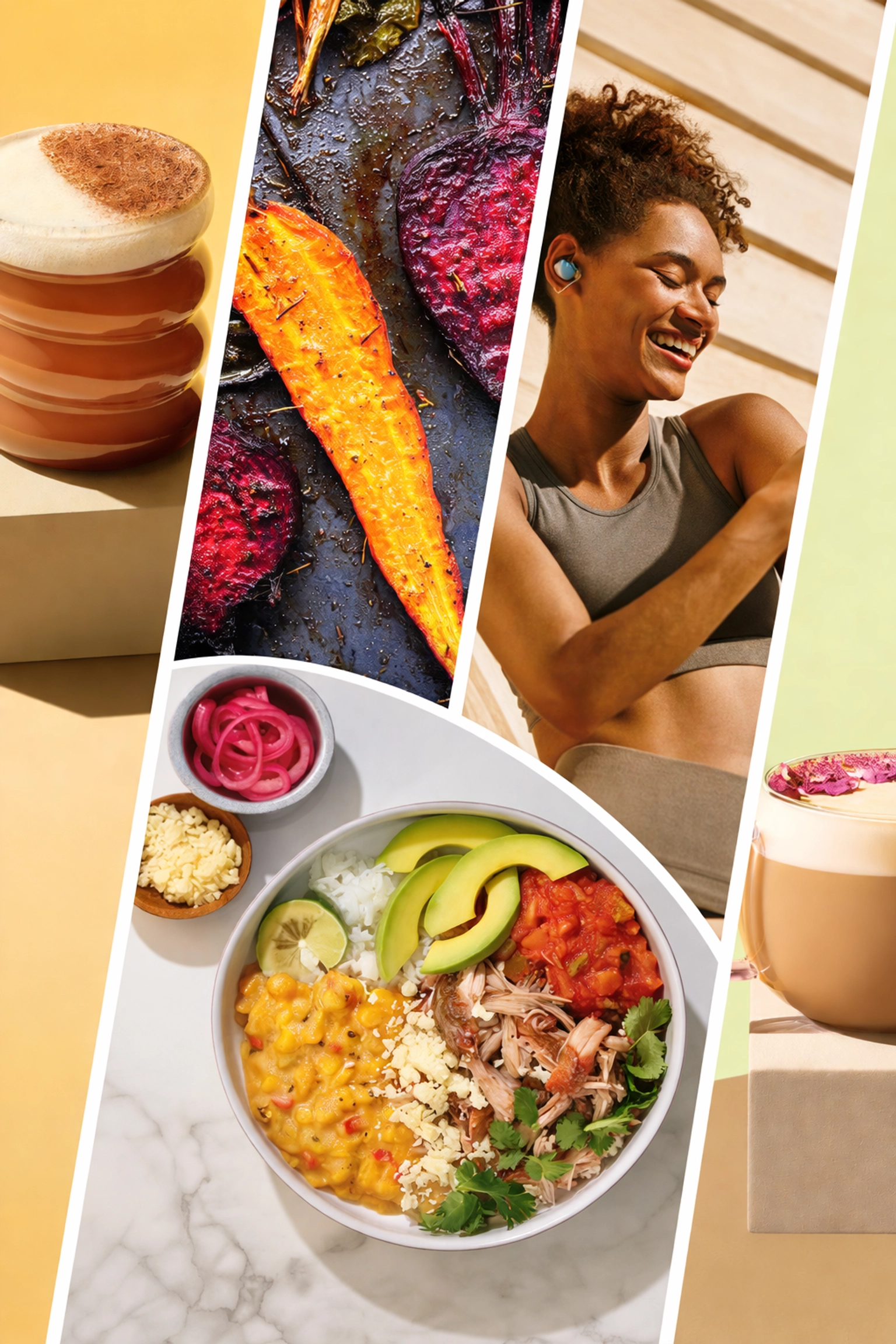
This trend also reflects a broader shift toward dietary inclusivity. Vegan, vegetarian, gluten-free, and allergen-friendly options aren’t afterthoughts: they’re integral to how operators should approach menu development.
Bringing Authenticity to Your Menu
- Research the roots: If you’re featuring a regional dish, understand its history and preparation traditions
- Source appropriately: Authentic dishes deserve authentic ingredients: partner with suppliers who can deliver
- Celebrate diversity: Your menu should reflect the cultural tapestry of American cuisine, not just the mainstream hits
- Engage with Gen Z: This demographic craves stories and transparency: share the “why” behind your dishes
For more on how hospitality leaders are thinking about trends in the coming year, don’t miss our piece on ten predictions for the hospitality industry in 2026 and beyond.
Why This Report Matters for Foodservice Operators
Campbell’s Culinary TrendPulse uses real-time artificial intelligence monitoring to track menu and recipe trends across the entire foodservice industry. This isn’t guesswork: it’s data-driven insight that helps operators stay ahead of customer demands and maintain menu relevance.
The four trends outlined in the 2026 report aren’t isolated movements. They intersect and reinforce each other. A plant-forward dish that uses upcycled ingredients and delivers functional health benefits while celebrating regional authenticity? That’s the sweet spot where innovation meets consumer demand.
For procurement directors, institutional buyers, and foodservice executives, the message is clear: the operators who adapt to these shifts will capture market share. Those who don’t risk being left behind as consumer expectations continue to evolve.
Get the Full Report and Connect with Campbell’s Foodservice
Ready to dive deeper into these trends and discover how to apply them to your operation? Food & Beverage Magazine can connect you directly with the Campbell’s Foodservice team for the full 2026 Culinary TrendPulse Report or to arrange interviews and further insights.
Whether you’re looking to revamp your menu, explore new supplier partnerships, or simply stay ahead of the curve in the food and beverage industry, this report is an essential resource.
Written by Michael Politz, Author of Guide to Restaurant Success: The Proven Process for Starting Any Restaurant Business From Scratch to Success (ISBN: 978-1-119-66896-1), Founder of Food & Beverage Magazine, the leading online magazine and resource in the industry. Designer of the Bluetooth logo and recognized in Entrepreneur Magazine’s “Top 40 Under 40” for founding American Wholesale Floral. Politz is also the founder of the Proof Awards and the CPG Awards and a partner in numerous consumer brands across the food and beverage sector.



