Two hotels. Two wildly different zip codes. One playbook that refuses to be a playbook. That, in a nutshell, is the story of Faraway Hotels' first move outside New England—and for hospitality operators watching how boutique brands scale without flattening their identity, it's worth a close read.
Opened within weeks of one another this June, Faraway Sag Harbor and Faraway Jackson Hole extend the brand from its island origins on Nantucket and Martha's Vineyard to two of America's most iconic leisure destinations. Both come from Boston-based Blue Flag Capital and its in-house management company, Collared Martin Hospitality—and each is anchored by a destination-driven restaurant built specifically for its market.
Zagara: An Amalfi Coast Escape on the Sag Harbor Waterfront
In the Hamptons, Faraway Sag Harbor is a thoughtful reimagining of the iconic Baron's Cove, transformed into a 67-room hotel inspired by the village's maritime and whaling heritage. Designed with Jenny Bukovec Studio around an "Oceanic Revival" concept, the interiors lean into sea-toned palettes, layered textures, and residential-style gathering spaces.
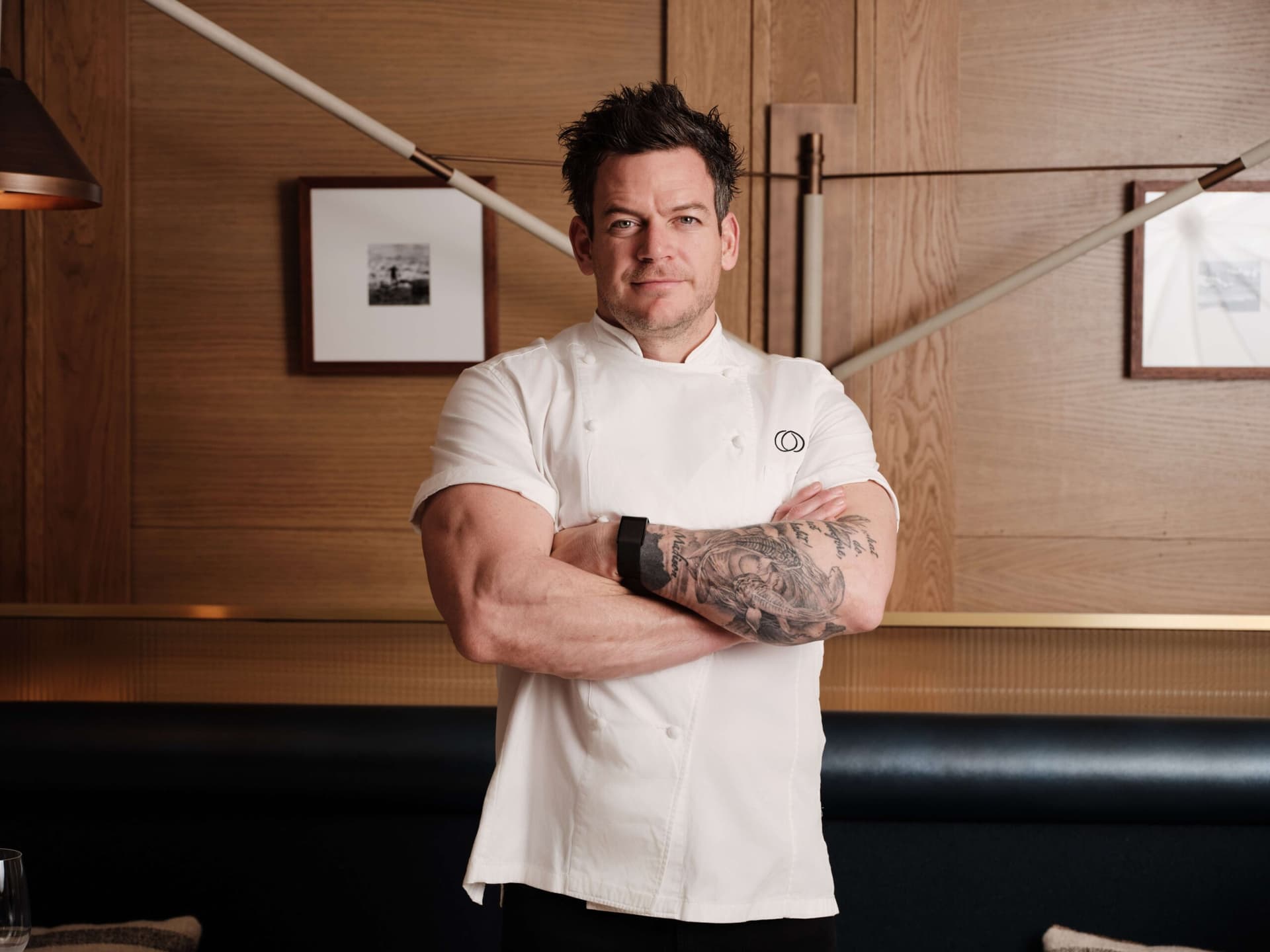
At the center of it all is Zagara, an Amalfi Coast–inspired waterfront restaurant led by Executive Chef and Culinary Director Jarad McCarroll. The menu pairs Mediterranean-inspired cuisine—think house-made pastas and seafood-forward plates—with a lively social atmosphere that spills from the dining room to an outdoor terrace with sunset views and a private dining space.
The restaurant is the clear social engine of the property, joined by a heated outdoor pool with cabanas, a new padel court, spa treatment rooms seasonally operated by ONDA Beauty, a fitness center, and a mix of indoor and outdoor gathering spaces positioning the hotel as a new hub for Sag Harbor.
Sure Hand: A Western Gathering Place in Teton Village
Nearly 2,000 miles west, Faraway Jackson Hole takes over the legacy of the former Snake River Lodge in Wyoming's Teton Village. The contemporary mountain retreat offers 90 guestrooms and suites, 51 residences, and direct access to Jackson Hole Mountain Resort, with wellness amenities—an indoor/outdoor pool, hot tub, and sauna—debuting in August.
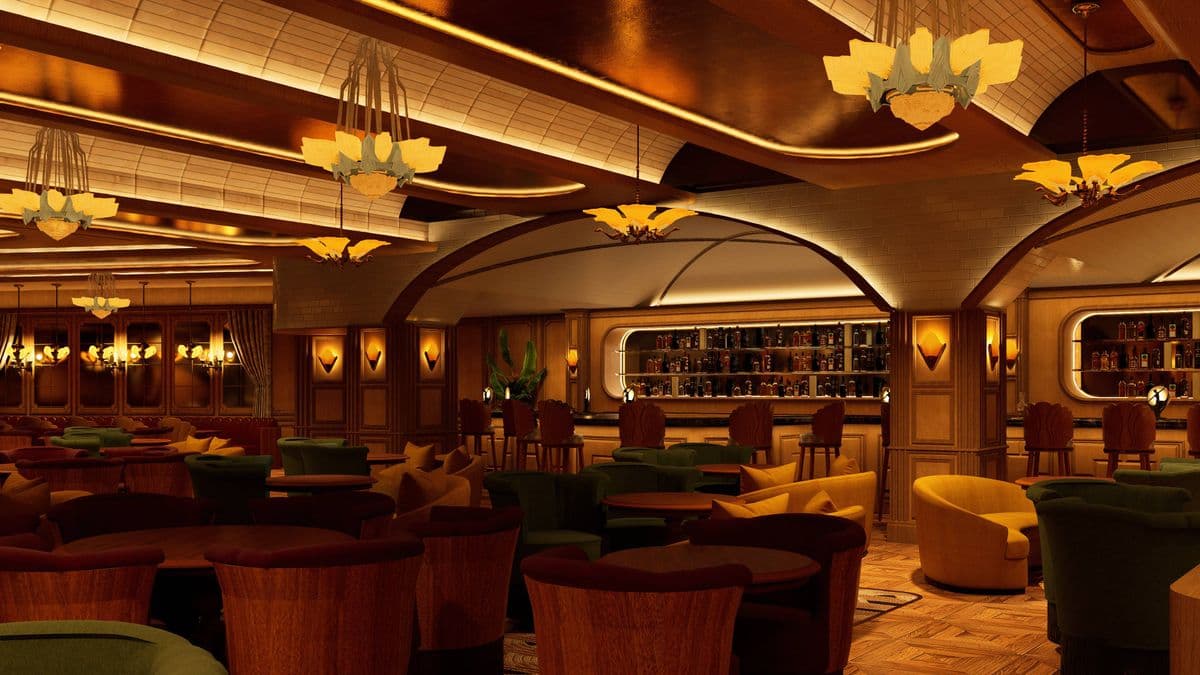
The culinary anchor here is Sure Hand, an all-day restaurant and bar serving locally inspired cuisine and craft cocktails in a lively space overlooking the surrounding mountains. Designed with Workshop/APD and Jenny Bukovec Studio around a "Wild Western Homestead" concept, the property layers natural materials and warm textures throughout. Later this summer, guests can book curated adventure excursions with Backcountry Safaris, including horseback riding, whitewater rafting, and tours of Grand Teton and Yellowstone National Parks.
"From the beginning, our goal with Faraway was never to create a formula, but rather a collection of hotels that each tell a unique story about the place they inhabit," said Jason Brown, Co-Founder and CEO of Blue Flag Capital. "Sag Harbor and Jackson Hole are incredibly different destinations, but both share the qualities we look for—strong identities, rich histories, and communities that care deeply about where they live."
"What excites us most is that neither property looks or feels like the other," added Brad Guidi, Co-Founder and Chief Development Officer of Blue Flag Capital. "Every design decision, restaurant concept, and guest experience was developed specifically for its destination."
A Portfolio in Rapid Expansion
The two debuts are part of a broader growth surge for Blue Flag Capital and Collared Martin Hospitality. The company recently opened Hotel Corduroy in Montauk and will open Oyster Estate in Greenport later this summer, building out a collection of design-forward, destination-driven properties across Long Island's East End. These join existing boutique properties on Nantucket—including Blue Iris, Brass Lantern Inn, and Life House Nantucket—alongside Faraway Nantucket and Faraway Martha's Vineyard.
Why It Matters
For hospitality operators and food and beverage leaders, the Faraway expansion is a case study in scaling a boutique brand without diluting it—and the restaurant is doing the heavy lifting. Rather than dropping a repeatable F&B template into each hotel, Blue Flag built two distinct concepts (a coastal Mediterranean destination in Zagara, a Western all-day gathering place in Sure Hand) tuned to local culture and clientele.
The practical takeaways for operators and buyers:
- The dining room is the demand driver. Both properties treat their restaurant as a social hub for locals, not just an in-house amenity for guests—a proven way to build year-round revenue and community loyalty.
- Localized concepts beat cookie-cutter rollouts. As lifestyle brands expand into new leisure markets, differentiation—menu, design, and experience built for place—is increasingly the competitive edge.
- Experience-led amenities extend the guest journey. Adventure programming, wellness, and padel courts signal where destination hospitality spend is flowing.
For procurement directors and F&B executives, brands in rapid expansion mode like this represent fresh partnership and supply opportunities across multiple new markets in a single year.
Watching how independent and boutique groups reengineer their food and beverage programs to scale? See our coverage of the new economics of craft beverage programs and strategic growth strategies in hospitality. Then tell us in the comments: as boutique brands go national, does a localized restaurant concept make or break the expansion?
Written by Michael Politz, Author of Guide to Restaurant Success: The Proven Process for Starting Any Restaurant Business From Scratch to Success (ISBN: 978-1-119-66896-1), Founder of Food & Beverage Magazine, the leading online magazine and resource in the industry. Designer of the Bluetooth logo and recognized in Entrepreneur Magazine’s “Top 40 Under 40” for founding American Wholesale Floral. Politz is also the founder of the Proof Awards and the CPG Awards and a partner in numerous consumer brands across the food and beverage sector.