Ka Laʻi Waikīkī Beach Unveils $100M Transformation and Three New Dining Concepts
Jul 13, 2026
Advertisement
When a luxury brand plants its first flag in a new market, the restaurant program is rarely an afterthought—it's the statement. That's exactly the playbook at Ka Laʻi Waikīkī Beach, which opens today as the first LXR Hotels & Resorts property in Hawaii, capping a $100 million design-driven reimagining of one of Waikīkī's landmark beachfront destinations.
The overhaul weaves contemporary luxury together with the spirit of Waikīkī and Hawaiian cultural heritage. And for food and beverage operators watching how full-service hospitality is being rebuilt around a sense of place, the property's three new dining concepts are the part worth studying.
Three Dining Concepts, One Local Sourcing Philosophy
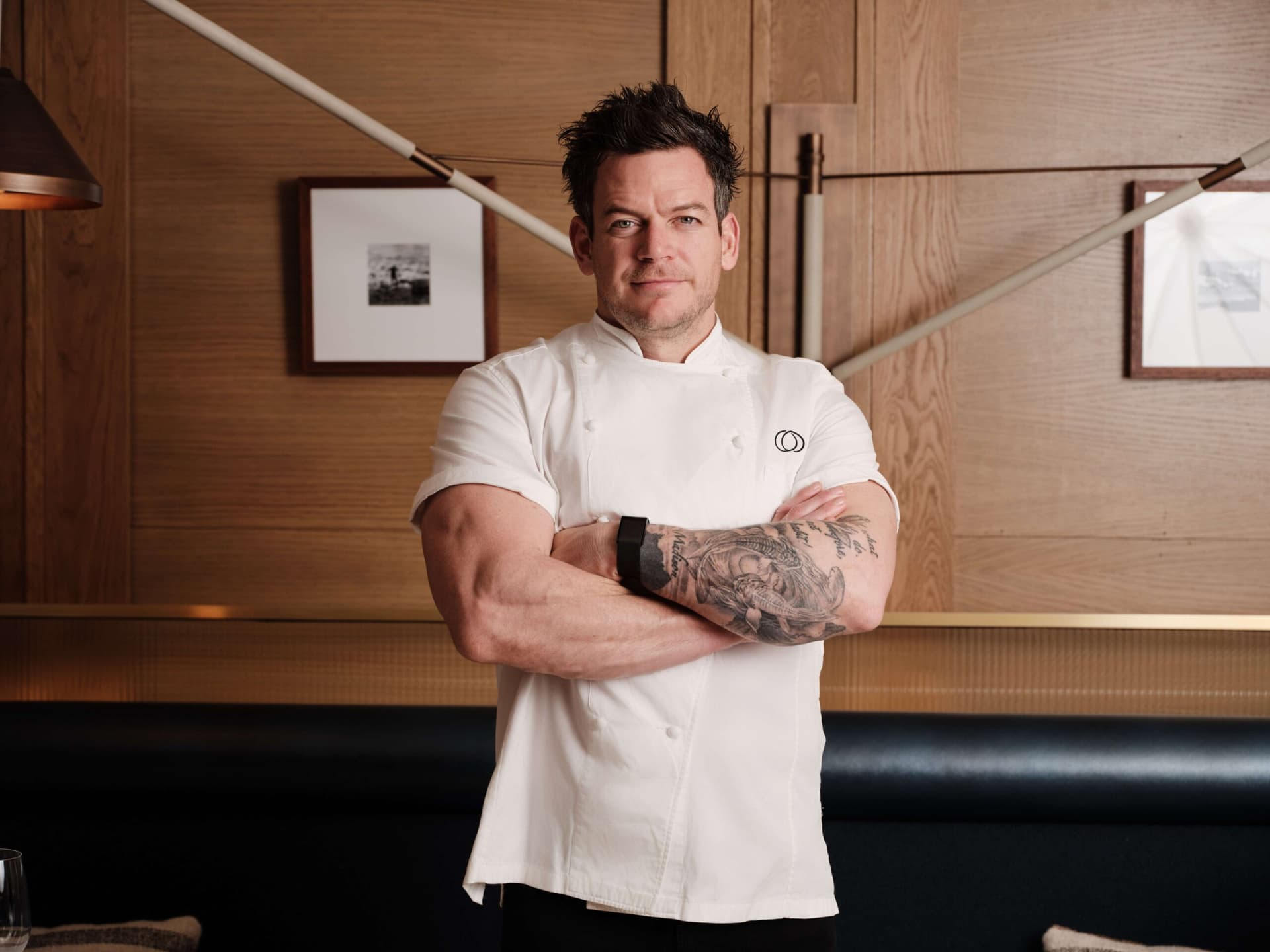
All three restaurants are shaped by Executive Chef Yoshi Ohata, a 20-year veteran known for his Pacific Rim cuisine. The through-line across every menu is aggressive local sourcing: kampachi from Hawaiʻi Island, Kahuku corn from Oʻahu's North Shore, Laie vanilla bean, and spirits from local partners such as Kōloa Rum on Kauaʻi.
Advertisement
Those ingredients aren't decoration. They're selected at their peak to share the stories, flavors, and traditions that make each of Hawaii's islands distinct—a storytelling approach that increasingly separates destination dining from generic hotel F&B.
The Kini Room
The resort's 86-seat signature restaurant showcases coastal and Pacific Rim influences. Standout dishes include:
Kagoshima A5 Wagyu Sushi with torched nigiri, kabayaki, and beet-infused Hawaiian salt
Slow braised Lemongrass Lamb Shank with broccolini, pickled chilis, and sweet soy glaze
Kini Kini Pie featuring Kona coffee, ube, vanilla ice creams, candied macadamia nuts, salted caramel, chocolate sauce, and butter cracker crust
Muse Lounge
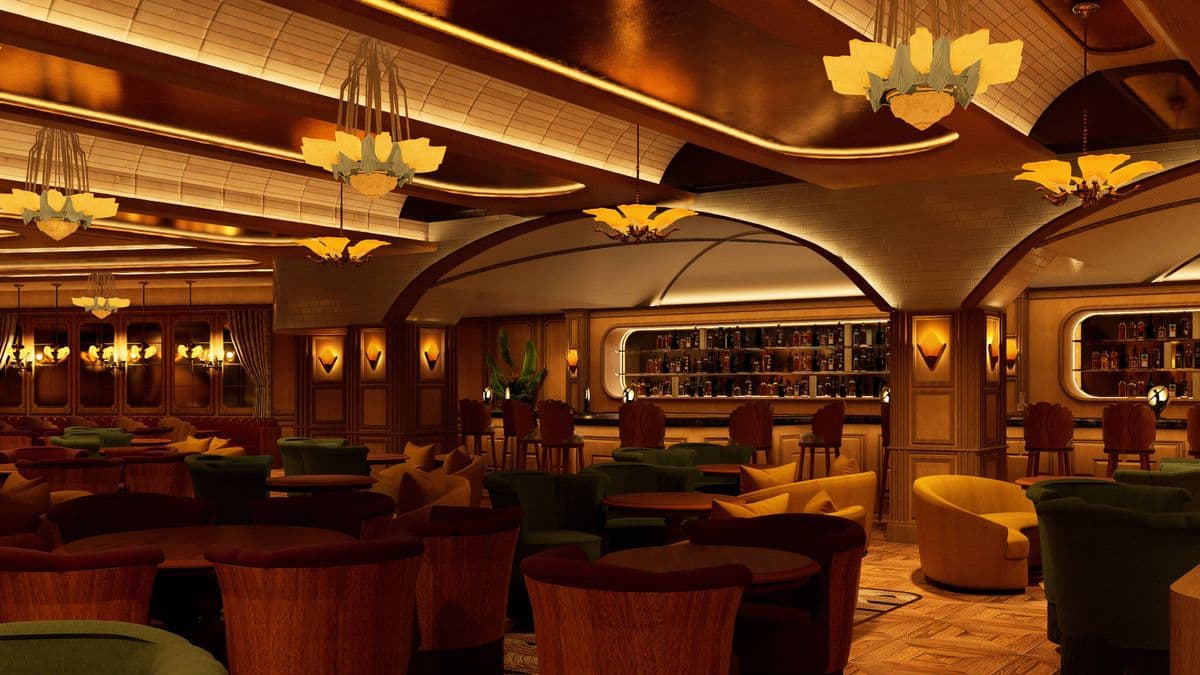
An intimate bar built around elevated cocktails inspired by classic Hawaiian recipes, paired with shareable Hawaiian-driven bites and premium options like fresh oysters and caviar service. Signature pours include:
Ilikea's Maitai with canton ginger liqueur, kaffir lime, and caramelized pineapple puree
Ka Laʻi Old Fashioned featuring single-barrel rum, chocolate bitters, and orange peel
Bloom Cafe & Restaurant
Breakfast in a garden-inspired setting overlooking Waikīkī, with a menu celebrating Oʻahu's abundance of fresh ingredients. Highlights include:
Guava Cream Cheese Waffles with brûléed banana and Hawaiian honey
Mochi Pancakes with yuzu custard and berries
Miso Catch of the Day with pickled vegetables and soy-marinated egg
Vibrant poke bowls by Chef Yoshi Ohata, who trained under Sam Choy, the "Godfather of Poke"
Why It Matters
For hospitality operators and foodservice executives, Ka Laʻi's debut is a case study in how luxury brands are using F&B to justify premium positioning. A $100 million transformation could have leaned on imported prestige ingredients alone. Instead, the property built its culinary identity on named local partners—island-specific fish, farm-identified corn, a single-source vanilla bean, and a Kauaʻi rum distillery.
Advertisement
That's the strategic takeaway: provenance is the differentiator. Naming the island, the farm, and the distiller turns a menu into a story guests remember and pay for—and it strengthens the kind of supplier relationships that protect quality and consistency at scale.
A few practical signals for operators and procurement teams:
Sourcing is marketing. Hyper-local, named suppliers give menus credibility and give guests a reason to trade up.
One chef, three concepts. A unified culinary vision across a signature restaurant, a cocktail lounge, and a breakfast venue lets a property cover multiple dayparts without diluting the brand.
Cocktails carry the local story too. Partnering with a regional distiller like Kōloa Rum extends the sense-of-place strategy from the plate to the glass.
Ka Laʻi Waikīkī Beach's opening shows how a luxury flag can enter a competitive market by leading with culinary substance and local storytelling rather than gloss alone. As destination dining continues to reward provenance and place, expect more operators to treat sourcing as their sharpest branding tool.
Are you building your menu around named local partners—or still competing on price? Weigh in and tell us how local sourcing is reshaping your F&B program in the comments.
Written by Michael Politz, Author of Guide to Restaurant Success: The Proven Process for Starting Any Restaurant Business From Scratch to Success (ISBN: 978-1-119-66896-1), Founder of Food & Beverage Magazine, the leading online magazine and resource in the industry. Designer of the Bluetooth logo and recognized in Entrepreneur Magazine’s “Top 40 Under 40” for founding American Wholesale Floral. Politz is also the founder of the Proof Awards and the CPG Awards and a partner in numerous consumer brands across the food and beverage sector.