Two Chefs, Two Traditions: Inside Las Vegas' Kebab & Kurry
Jul 16, 2026
Advertisement
Las Vegas has built its culinary reputation on turning impossible ideas into reality. Yet one of the city's most compelling restaurant concepts isn't driven by theatrical plating, celebrity endorsements or gimmicks. It's built on something more meaningful: two accomplished chefs representing two of the world's great culinary traditions, working in the same kitchen.
Located near Town Square Las Vegas, Kebab & Kurry devotes its menu to both Indian and Persian cuisine. Instead of blending the two into an indistinct fusion, the restaurant lets each cuisine keep its own ingredients, techniques and cultural identity. The result feels less like a mashup and more like an ongoing conversation between India and Persia.
One Kitchen, Two Culinary Authorities
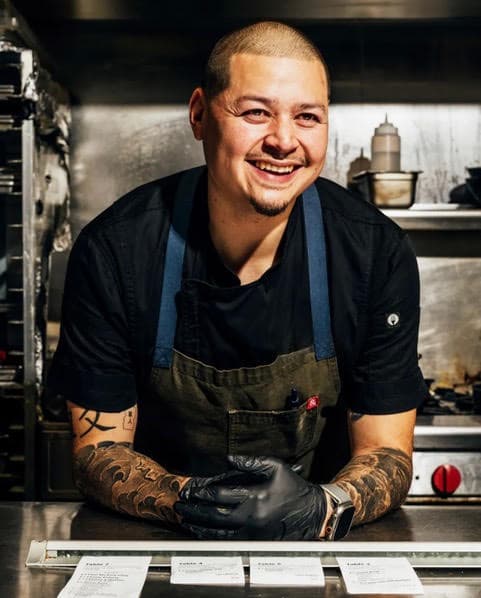
The concept's greatest strength is its two-chef approach. Chef Kadam leads the Indian side, bringing traditional flavors to the menu with a polished, approachable presentation. On the Persian side, Chef Tony contributes decades of experience preparing the dishes and flavors of Iran.
Advertisement
That distinction matters. Indian and Persian cuisines share historical connections—spice routes, royal courts, rice cookery, grilling traditions and the movement of ingredients across Asia. But they remain highly individual disciplines, and Kebab & Kurry respects that by giving each side of the menu its own experienced culinary voice.
Chef Kadam's Indian repertoire embraces layered spices, sauces and slow-developed flavors. Chef Tony's Persian dishes emphasize saffron, fresh herbs, yogurt, aromatic rice and carefully grilled meats. Guests experience both traditions in the same meal without either being diluted to accommodate the other.
In an industry where "fusion" is often used to justify combining unrelated ingredients, Kebab & Kurry presents a more thoughtful model: collaboration without compromise.
From Persian Fire to Indian Spice
The restaurant frames its concept as a journey from Persia to India, built around flame-grilled kebabs, aromatic curries and beverages inspired by centuries of tradition.
The Persian side opens with shareable plates such as mast-o-khiar (yogurt with cucumber and herbs) and mast-o-mosir (a savory shallot-and-yogurt preparation), alongside stuffed grape leaves, hummus, falafel, smoky eggplant dips and comforting soups. The grill takes center stage with dishes like koobideh, joojeh and combination kebab platters served with fragrant saffron rice and grilled tomato.
Advertisement
These are deceptively simple preparations. Seasoning, marination, temperature and timing determine everything—there's nowhere for poor technique to hide.
The Indian side expands across chaat, curries, rice and biryani, vegetarian and non-vegetarian entrées, dal, Indian breads, soups and desserts. Diners can build a meal around street-food-inspired starters, slow-cooked sauces and freshly prepared accompaniments rather than a small collection of familiar standards.
The contrast creates an unusually versatile experience. One table might share Persian yogurt dips and flame-grilled chicken alongside Indian biryani, dal and naan; another might explore vegetarian preparations from both sides of the kitchen. The cuisines stay distinct but naturally complement one another through shared ingredients—saffron, basmati rice, grilled meats, herbs, yogurt and warm spices.
A Concept Designed for Discovery
For guests unfamiliar with either cuisine, Kebab & Kurry offers an accessible on-ramp. Persian food introduces the floral aroma of saffron, the freshness of herbs, the tang of yogurt and the precision of flame grilling. Indian dishes then move the experience toward deeper spice combinations, rich sauces, aromatic rice and more assertive heat.
Advertisement
For guests who already love these cuisines, the appeal is being able to experience both without choosing between two separate restaurants. That range also gives the concept real operational flexibility—it serves the weekday lunch guest wanting a kebab plate, the family ordering to share, the vegetarian exploring curries and dal, or a group settling in for cocktails and a full evening meal.
Elevating the Off-Strip Experience
Kebab & Kurry features a contemporary dining room, a full-service bar and enough flexibility for casual lunches, dinners, celebrations and larger social occasions. The setting is polished without being overly formal—an important position in today's Las Vegas market, where some of the city's most rewarding discoveries are increasingly found beyond the major resort dining rooms.
Restaurateur Surjit Heera, known for India Palace, developed the concept with his partners and culinary team, drawing inspiration from historic spice routes, royal kitchens and the hospitality traditions of India and Persia. The full-service bar strengthens the experience: crafted cocktails and beverage selections give guests another pathway into the concept and position Kebab & Kurry as an evening destination rather than simply a place to grab curry or takeout.
Why It Matters
Kebab & Kurry offers several practical lessons for operators building a differentiated concept in a crowded market.
Multi-cuisine works best with genuine expertise. Rather than asking one team to imitate two complex cuisines, the restaurant places experienced Indian and Persian chefs at the center. That protects authenticity, strengthens execution and gives the concept a more credible story to share with guests.
You don't need forced fusion. Complementary cuisines can share a menu without losing their individual identities. Natural overlaps—rice, saffron, yogurt, herbs, spices and grilled meats—create a cohesive experience while each tradition stays intact.
Menu versatility expands revenue. Kebab plates, curries, vegetarian entrées, shared appetizers, cocktails and family-style combinations let one concept serve business lunches, casual dinners, celebrations, takeout, catering and private events—without a different concept for every daypart.
Culinary identity competes with scale. For independent operators, cultural storytelling, chef credibility and a distinctive menu can create a memorable off-Strip destination that stands up to the marketing power of resort restaurants.
The bigger takeaway isn't to add more cuisines or more dishes. It's to build a concept around clear expertise, complementary traditions and a guest experience that's easy to understand. When the culinary story, kitchen leadership and business model reinforce one another, cultural authenticity stops being a marketing message and becomes a competitive advantage.
Visit Kebab & Kurry
Kebab & Kurry serves Indian and Persian cuisine and offers a full-service bar, catering and private-event options.
6825 South Las Vegas Boulevard, Suite 120, Las Vegas, Nevada 89119 · 702-844-8998
For more on how operators are turning distinctive concepts into off-Strip destinations, explore our coverage of NADC Burger's Las Vegas expansion and the story behind Lilli by Chef Tyler Vorce. Have you seen a two-chef or multi-cuisine concept done right? Weigh in with your take in the comments.
Written by Michael Politz, Author of Guide to Restaurant Success: The Proven Process for Starting Any Restaurant Business From Scratch to Success (ISBN: 978-1-119-66896-1), Founder of Food & Beverage Magazine, the leading online magazine and resource in the industry. Designer of the Bluetooth logo and recognized in Entrepreneur Magazine’s “Top 40 Under 40” for founding American Wholesale Floral. Politz is also the founder of the Proof Awards and the CPG Awards and a partner in numerous consumer brands across the food and beverage sector.