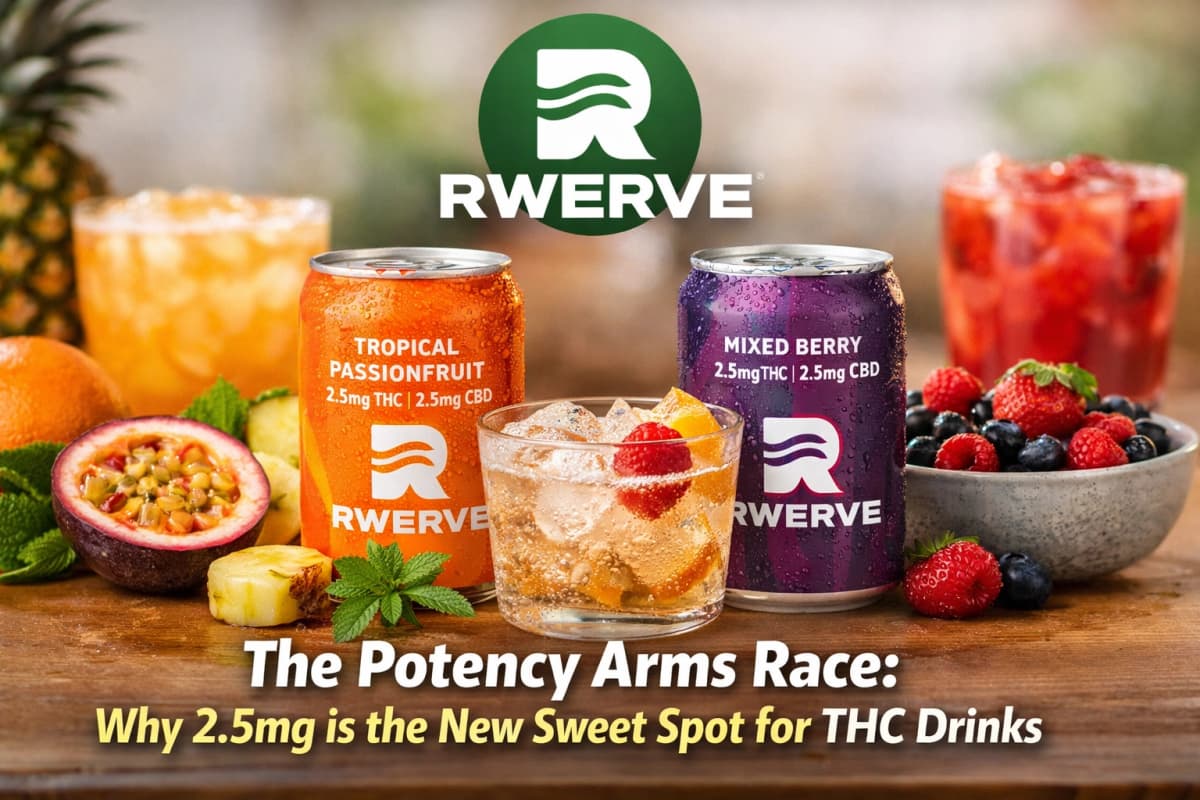
The hemp-derived THC beverage market is exploding: projected to hit multi-billion-dollar valuations within the next few years. But beneath those impressive growth numbers lies a dangerous trend that could derail the entire category: brands locked in a potency arms race, cranking out 10mg, 25mg, even 50mg servings that alienate mainstream consumers and invite the kind of regulatory crackdown that could gut the industry overnight.
If you’re a beverage director, procurement manager, or hospitality operator trying to navigate this space, here’s what you need to know: the future belongs to low-dose.
The Potency Problem: Higher Isn’t Always Better
Let’s start with a reality check. The early THC beverage playbook borrowed heavily from craft beer’s strategy a decade ago: go big, go bold, push ABV to the limit. In cannabis drinks, that translated to milligram counts that sound impressive on a label but create terrible consumer experiences in practice.
Bars and restaurants are already running into operational nightmares. When a single 25mg or 50mg THC drink gets a patron so intoxicated that you can only serve them one, your business model is fundamentally broken. One-and-done consumption kills volume. It caps check size, eliminates repeat rounds, and turns what should be a social beverage into a novelty item.
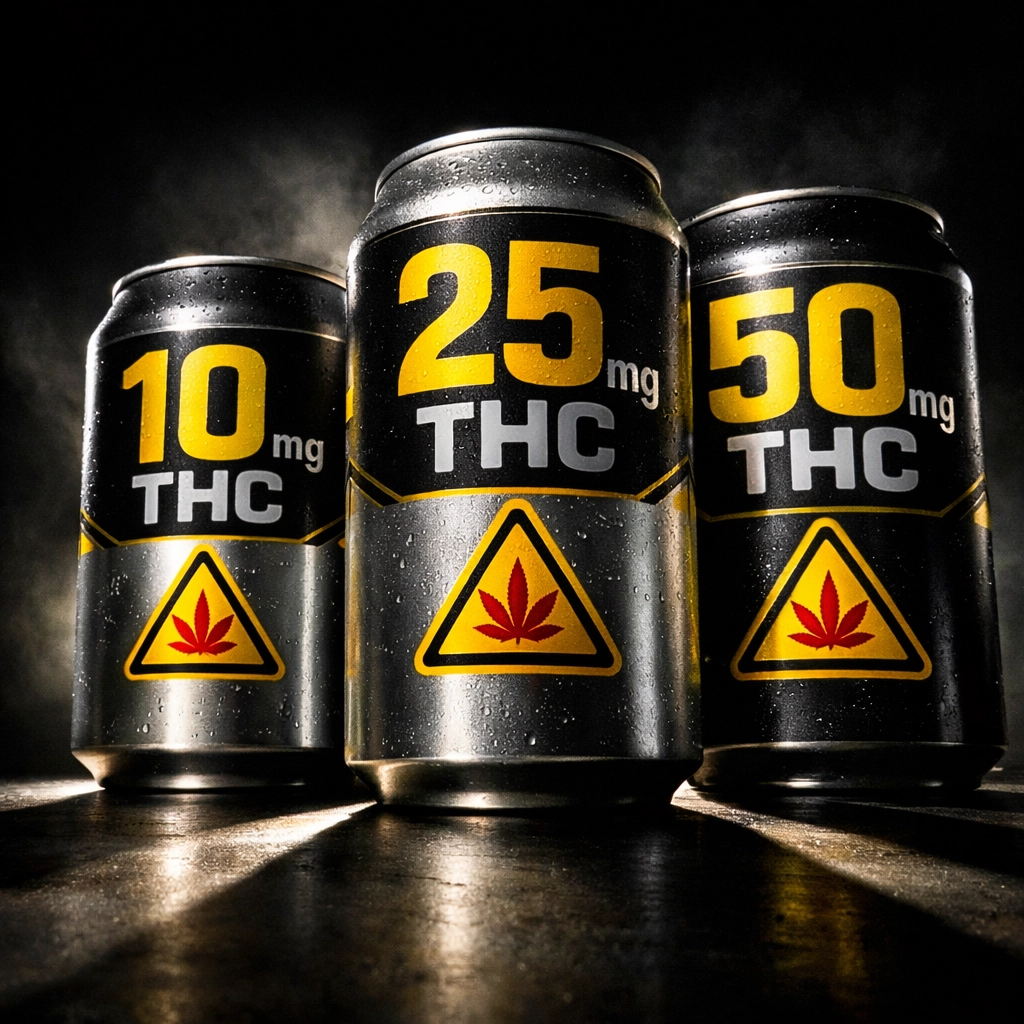
Worse, it pushes curious first-timers away from the category permanently. Overconsumption leads to anxiety, paranoia, and couch-lock: exactly the experiences that drive bad reviews and word-of-mouth disasters. For an industry trying to win over the “canna-curious” demographic, that’s a fatal mistake.
And then there’s the regulatory reality. High-potency, ready-to-drink THC beverages are making lawmakers nervous at both state and federal levels. The more these products look like intoxicants rather than sessionable social drinks, the more likely regulators are to slam the brakes: hard.
Why 2.5mg Is the Session Sweet Spot
Here’s what retail and on-premise operators are learning: low-dose THC beverages in the 2.5–5mg range are driving sustainable, repeatable growth. These products function like light beer, hard seltzer, or a glass of wine: delivering a mild, functional buzz without overwhelming the consumer.
At 2.5mg per serving, the experience becomes approachable and controllable:
- Consumers can enjoy multiple drinks in one sitting, just like they would with beer or cocktails. That increases per-occasion volume and keeps them engaged longer.
- Titration becomes intuitive. Guests can stack servings slowly, building comfort and trust with the product instead of getting slammed by a single high-dose can.
- Anxiety and overconsumption drop dramatically. This is critical for winning over newcomers who associate cannabis with paranoia or being “too high.”
Most mainstream consumers aren’t looking to get obliterated. They’re seeking something that feels like a better-for-you cocktail, a spritz, or a refreshing alternative to alcohol. A 2.5mg format delivers exactly that: sessionability, flavor, and vibe without the hangover or the couch-lock.
Recent launches like Willie’s Remedy+ are already leaning into this positioning, emphasizing balance, clarity, and connection rather than raw potency. As Willie Nelson himself said, “Willie’s Remedy+ isn’t about getting knocked out: it’s about finding your own balance, one sip at a time.”
The Six-Pack Model: Think Like a Beverage Brand, Not a Cannabis Company
Here’s where the category gets interesting for retail buyers and beverage directors. Winning THC drink brands aren’t thinking like legacy cannabis companies: they’re thinking like beverage companies. And beverage companies build volume with multipacks.
A 2.5mg, six-pack format at retail accomplishes several critical things:
- Matches existing shopper behavior. Consumers shopping the cold box are already conditioned to buy six-packs of beer, seltzer, and craft sodas. A THC beverage six-pack fits seamlessly into that mental model.
- Increases basket size and margin for retailers. Instead of a single $8 can, you’re moving a $20-$30 six-pack. That makes retailers far more likely to give you shelf space and promotional support.
- Encourages social, shareable occasions. Backyard BBQs, game days, beach trips: these are six-pack moments. A single high-dose can is a solo experience. A low-dose six-pack is a lifestyle product.
- Normalizes THC beverages as part of the “better-for-you” beverage set, positioning them alongside kombucha, adaptogen drinks, and functional sodas rather than fringe cannabis products.
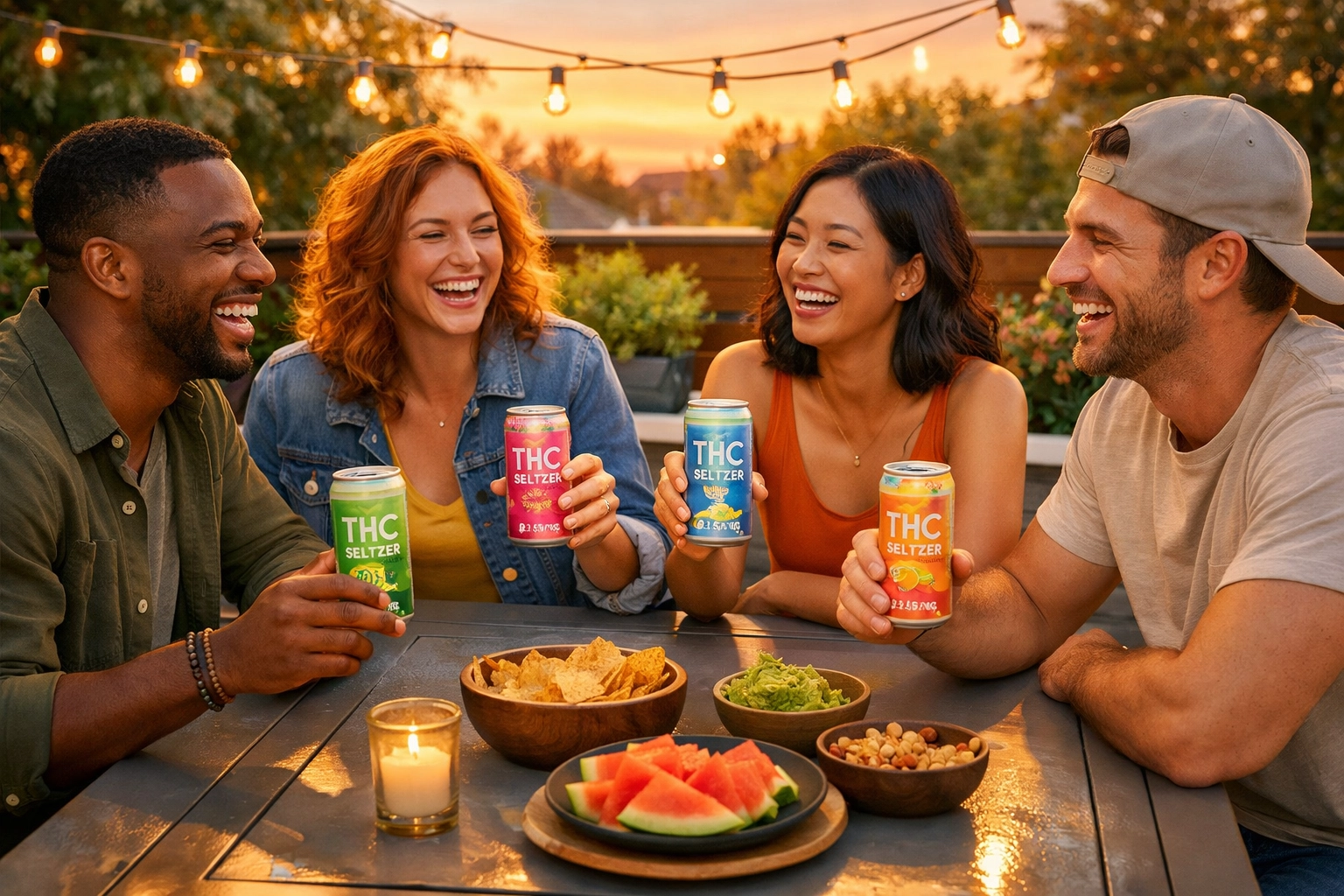
If one 10–20mg can is “the night,” that’s a novelty. A 2.5mg six-pack is a repeat purchase.
Regulatory Risk Management: Low-Dose Is Future-Proof
Let’s talk about the elephant in the room: regulation. Momentum is clearly moving toward tighter controls on total THC per serving and per package. Lawmakers are uncomfortable with high-dose, ready-to-drink products sitting next to Pepsi and Budweiser in mainstream retail.
Brands built around 2.5mg per serving are better positioned to survive potential national or state-level potency caps. They can make a stronger case that their products function like low-ABV beverages, not quasi-edibles masquerading as drinks.
This isn’t just consumer strategy: it’s risk management and longevity strategy. If you’re a hospitality operator or procurement director evaluating which brands to bring in, you want partners who can weather regulatory shifts without pulling product off your shelves.
Willie Nelson has been vocal about this, urging lawmakers to reject efforts to ban hemp at the federal level while supporting smart regulation. “Banning hemp won’t solve problems,” he said. “Smart regulation will.” Low-dose products are far easier to regulate responsibly than high-potency wild cards.
A Playbook for Brands, Buyers, and Operators
For anyone serious about building a sustainable position in the THC beverage space: whether you’re a brand founder, a beverage director, or a retail buyer: here’s the roadmap:
1. Lead with a 2.5mg flagship SKU. Make sessionability and mass appeal your North Star, not milligram bragging rights.
2. Standardize on six-packs for retail. You’re competing head-to-head with beer and hard seltzer. Act like it.
3. Position the product as a social beverage, not a “weed drink.” Talk about occasions, flavor profiles, and mood: not THC content.
4. Invest in clear, confident education at shelf and on packaging. First-time consumers need to feel safe and in control. Dosing clarity builds trust.
5. Focus on taste, brand experience, and repeat purchase behavior. The cannabis industry has trained consumers to chase the highest THC percentage. The beverage industry builds loyalty through flavor, quality, and consistency.
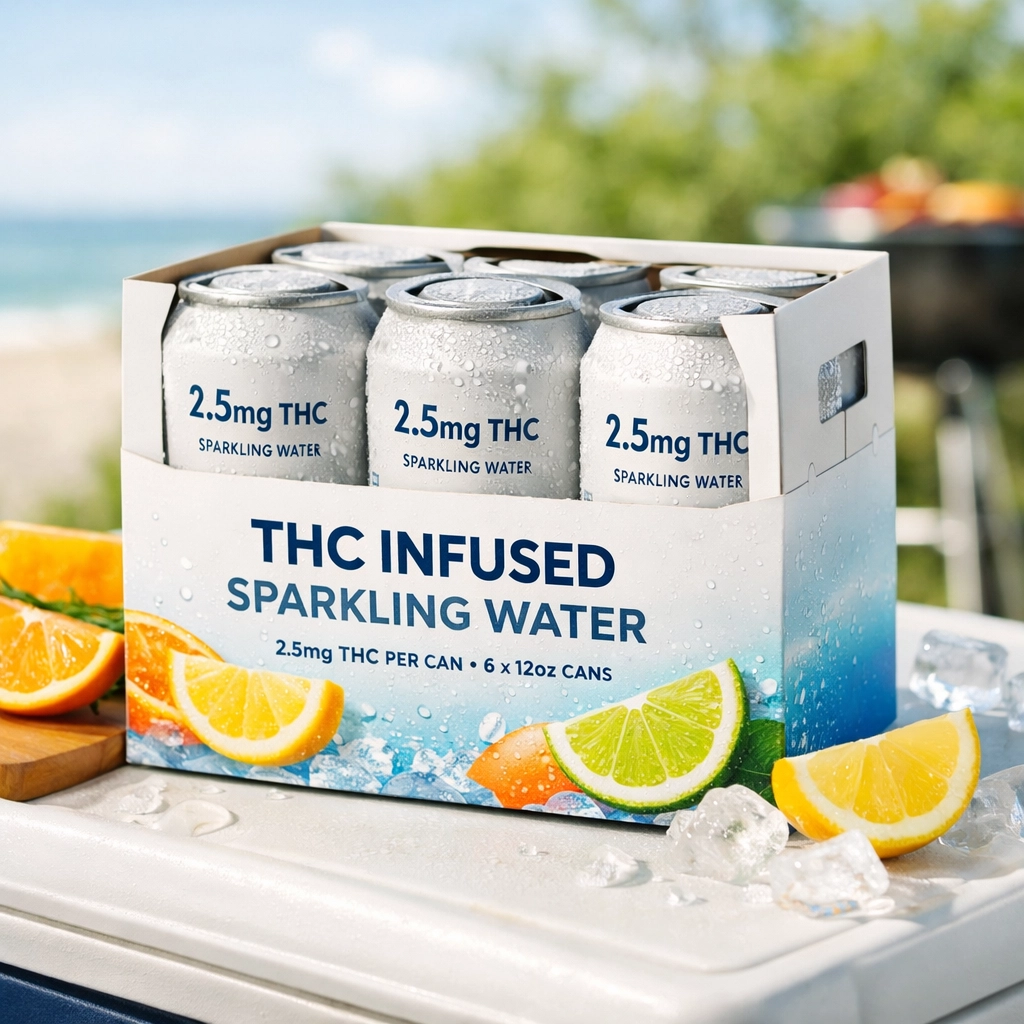
High-dose THC beverages may grab headlines and generate buzz, but they cap volume, scare off newcomers, and give regulators ammunition to shut down the category. The real opportunity: for brands, retailers, operators, and the industry as a whole: is in approachable, repeatable, 2.5mg six-packs designed to be enjoyed like any other modern beverage.
For hospitality leaders and procurement professionals, the question isn’t “How high can we go?” It’s “How many occasions can we own?” Low-dose, multi-pack, retail-friendly THC drinks are the answer.
The brands that figure this out first won’t just win market share: they’ll define the category for the next decade.
Written by Michael Politz, Author of Guide to Restaurant Success: The Proven Process for Starting Any Restaurant Business From Scratch to Success (ISBN: 978-1-119-66896-1), Founder of Food & Beverage Magazine, the leading online magazine and resource in the industry. Designer of the Bluetooth logo and recognized in Entrepreneur Magazine’s “Top 40 Under 40” for founding American Wholesale Floral. Politz is also the founder of the Proof Awards and the CPG Awards and a partner in numerous consumer brands across the food and beverage sector.