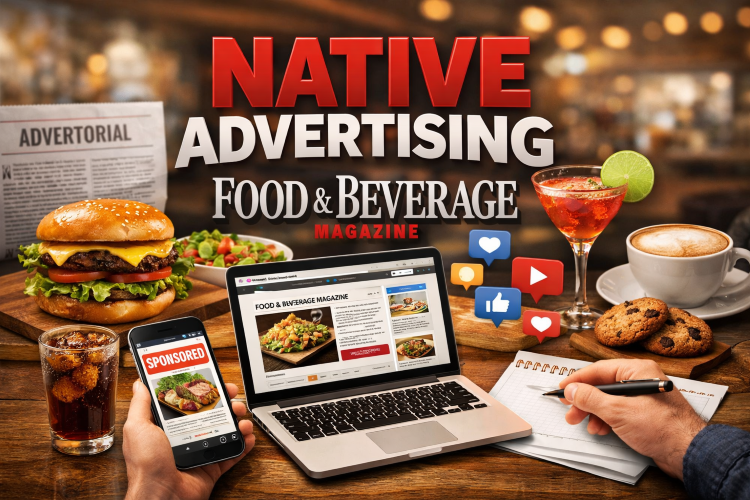
In the bustling world of B2B marketing, especially within the foodservice and hospitality sectors, standing out from the crowd is more crucial than ever. Native advertising has quickly evolved into one of the most effective strategies for brands to cut through the noise and genuinely influence buying decisions. When executed correctly, native ads transcend the label of merely being ‘another ad format’ — they become a high-performing and trusted method to put your brand’s story in front of key decision-makers.
The Shortcomings of Standard B2B Display Advertising
Traditional display ads often fall flat due to:
Low click-through rates
Banner blindness among users
A general sense of interruption
In contrast, native ads are designed to seamlessly blend into the surrounding content, while still being clearly marked as sponsored. This subtle format change can lead to significant improvements in engagement. Studies utilizing eye-tracking technology have shown that native ads can capture up to 53% higher visual attention and boost purchase intent by 18% compared to standard display ads.
Advertisement
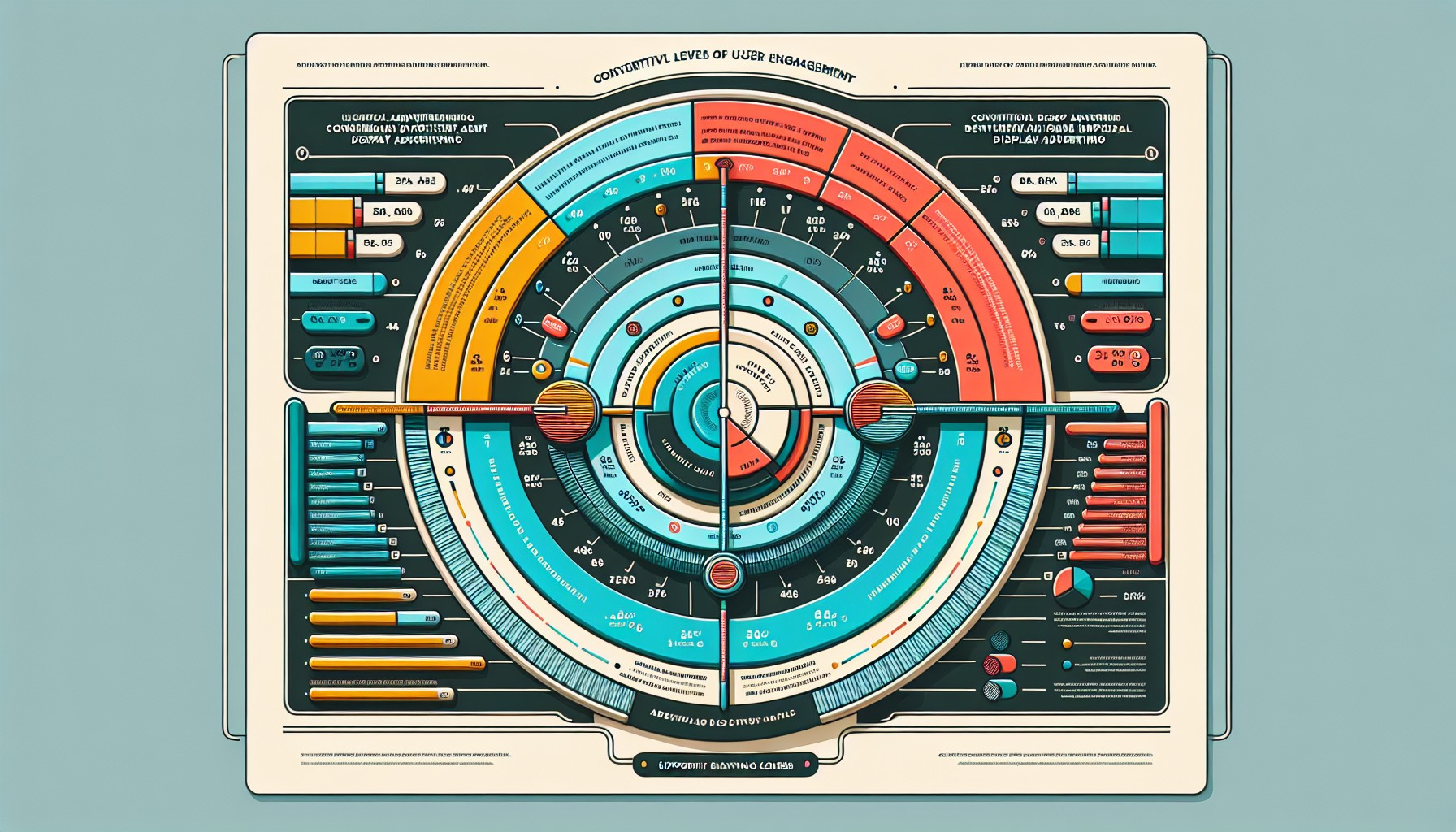
Infographic comparing native and display advertising effectiveness.
Engagement Metrics that Matter
Beyond visibility, native ads consistently outperform standard display ads in key metrics:
Longer engagement time with content
Increased likelihood of shares and discussions
Enhanced perceived relevance and usefulness
For B2B marketers who need to justify every dollar spent on advertising, these improvements translate directly into a better return on investment (ROI).
Why Native Advertising is Essential in Food & Beverage
The food, beverage, and hospitality sectors are characterized by complex buying cycles that are heavily relationship-driven. Decision-makers such as chefs and procurement teams seek not just discounts, but solutions and partnerships that resonate with their specific needs. Here’s where native advertising outshines traditional methods:
Storytelling over Sales Pitches: Native ads allow brands to share engaging narratives instead of just shouting offers.
Alignment with Industry Trends: They provide contextually relevant insights that resonate with current market challenges.
Positioning as an Expert: Native ads can help your company emerge as a resourceful partner rather than just another vendor.
When your native content appears in a trusted trade environment, surrounded by comprehensive news and expert insights, it gains credibility and authority. Readers feel guided toward solutions rather than being pulled away from their experience.
The Food & Beverage Magazine Native Advertising Approach
Food & Beverage Magazine has crafted its native advertising program with a focus on credibility and precision. With an audience that includes restaurant owners, foodservice executives, and procurement directors, they ensure that ads reach the right people who influence product specifications and purchasing decisions.
Advertisement
Several key elements make this environment particularly effective for native campaigns:
Content Alignment: Ads are strategically placed alongside relevant editorial content, enhancing the reader’s experience.
First-Party Targeting: The magazine leverages insights on reader behavior to connect specific topics to targeted audiences.
Multi-Channel Amplification: Native features can be promoted across various platforms including digital editions, e-newsletters, and social media.
This well-rounded approach ensures that your brand’s story is continuously in view of the right buyers as they navigate their research and inspiration journey.
A Sample Native Campaign in Action
Consider a B2B brand launching a new premium sauce line targeting multi-unit restaurant groups and hotel F&B operations. Rather than relying solely on traditional banners, a more effective campaign might look like this:
A sponsored editorial article titled “How Chef-Driven Sauces Are Simplifying Back-of-House Operations,” featuring the product as the standout solution.
Careful placement within relevant sections of the site that focus on culinary innovation.
Inclusion in a targeted e-newsletter with a compelling headline directing readers to the full story.
Retargeting campaigns aimed at engaging those who viewed the article but did not take further action.
An optional lead-generation component allowing readers to request samples or download recipe guides in exchange for their contact information.
This integrated native approach is far more likely to:
Capture sustained attention
Enhance brand recall and product benefits
Encourage trials or conversations with your sales team
Native advertising fosters a journey from initial interest to intent, making it a strategic asset in the sales process.
Using Native Advertising as a Strategic Sales Tool
When presenting media kits, sales decks, or RFP responses, the statistics are clear and compelling:
Native ads achieve up to 53% higher attention than standard display ads.
Native campaigns can drive up to 18% higher purchase intent.
When these ads run in a reputable trade environment like Food & Beverage Magazine, they transform from mere branding tools into powerful sales enablement instruments. By reshaping advertising into integrated storytelling — backed by tangible performance metrics — brands can confidently shift budgets from traditional banners to strategic native partnerships.
Conclusion
In an ever-competitive landscape, leveraging native advertising effectively can create meaningful connections with potential buyers in the foodservice and hospitality sectors. By focusing on storytelling and targeted engagement, brands can not only increase awareness but also drive significant business results. If you’ve had success with native advertising or have questions about getting started, let’s hear your thoughts in the comments!
Written by Michael Politz, Author of Guide to Restaurant Success: The Proven Process for Starting Any Restaurant Business From Scratch to Success (ISBN: 978-1-119-66896-1), Founder of Food & Beverage Magazine, the leading online magazine and resource in the industry. Designer of the Bluetooth logo and recognized in Entrepreneur Magazine’s “Top 40 Under 40” for founding American Wholesale Floral. Politz is also the founder of the Proof Awards and the CPG Awards and a partner in numerous consumer brands across the food and beverage sector.