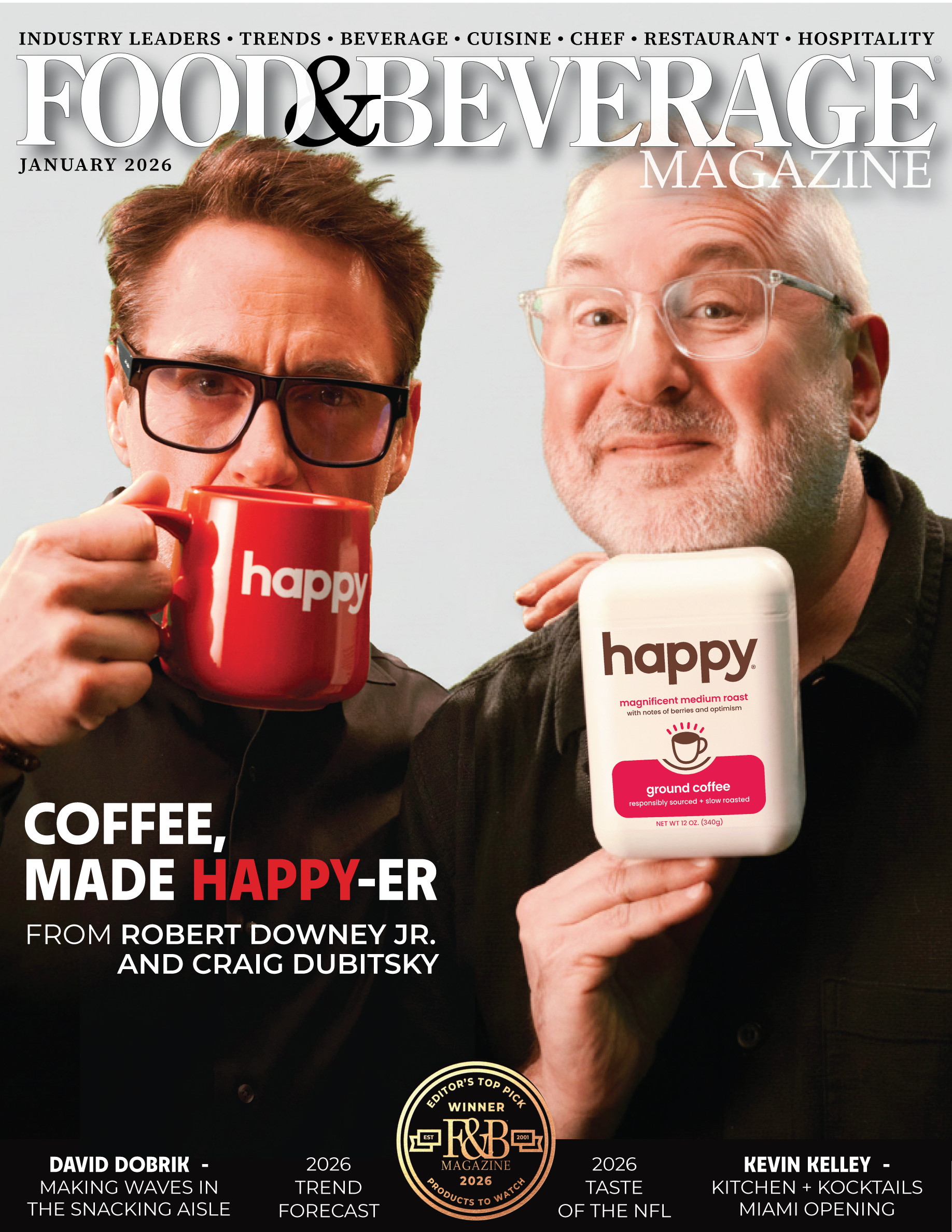
The food and beverage industry is entering 2026 with unprecedented momentum, and our January issue captures every trend, innovation, and opportunity shaping the year ahead. From breakthrough products that will define the next decade to restaurant concepts revolutionizing guest experiences, this month’s digital edition delivers the insights hospitality professionals need to stay competitive.
Click to Read the Full January 2026 Issue: https://lnkd.in/eYzp4b5Z
Editor’s Top Pick: Products to Watch 2026
Our editorial team spent months researching, testing, and analyzing emerging products across the food and beverage landscape. This year’s “Products to Watch” selection represents game-changing innovations that will reshape menus, operations, and consumer expectations throughout 2026.
The standout trend? Elevated flavors at accessible price points. As ingredient costs continue pressuring margins, successful products are delivering premium experiences without premium pricing. From umami-rich seasoning blends that transform basic proteins to plant-based alternatives that finally match their animal counterparts in taste and texture, this year’s picks solve real operational challenges while exceeding guest expectations.
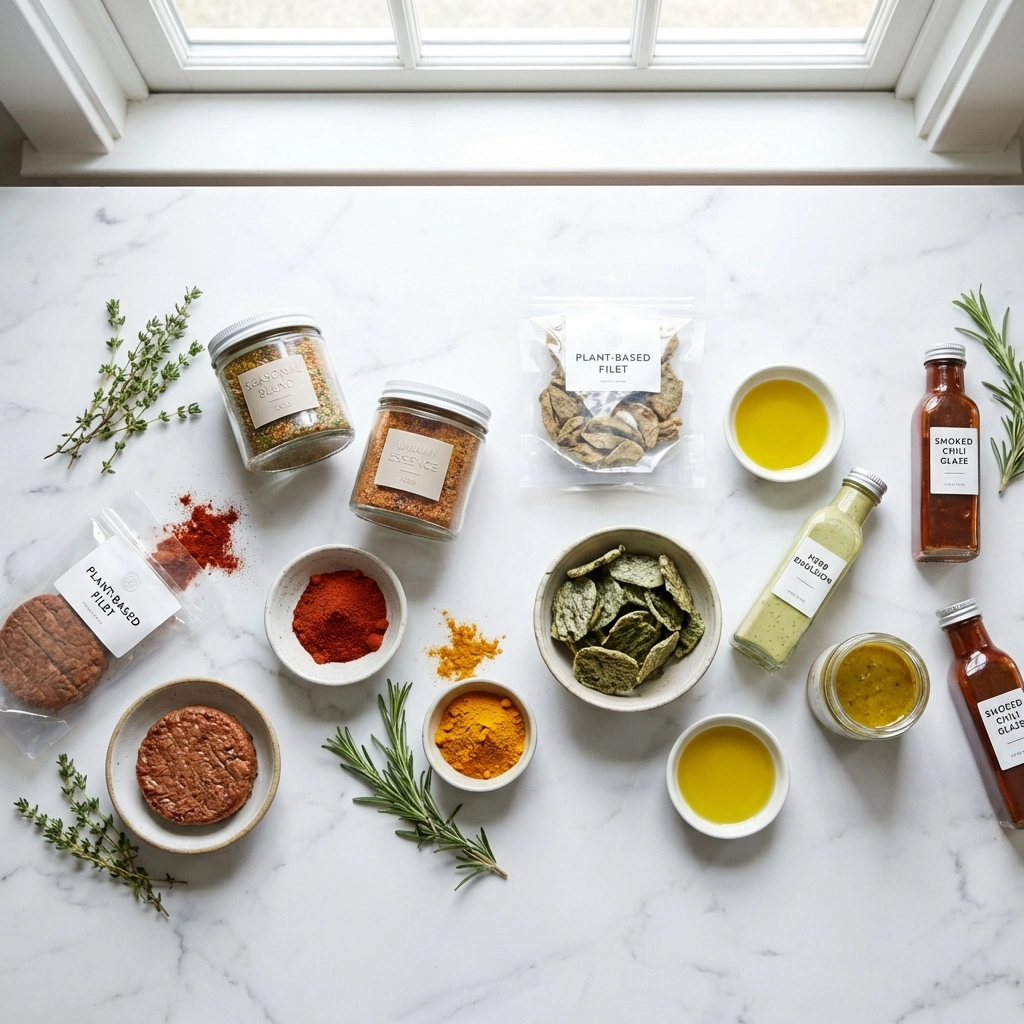
Key categories making our watch list include functional beverages with proven health benefits, ready-to-use sauces that eliminate prep time without sacrificing quality, and innovative packaging solutions that extend shelf life while reducing waste. Each product featured underwent rigorous evaluation for taste, operational efficiency, cost-effectiveness, and market potential.
National Pork Board: Protein Innovation Leadership
The National Pork Board’s presence in our January issue highlights the organization’s continued evolution beyond traditional marketing. Their 2026 initiatives focus on sustainability messaging, chef education programs, and menu innovation support that helps restaurants maximize pork’s versatility while meeting consumer demands for transparency and environmental responsibility.
Recent data shows pork achieving 23% growth in limited-time offerings across QSR and fast-casual segments, driven by its adaptability to global flavor profiles and cost advantages over beef alternatives. The Board’s culinary development team is working directly with menu consultants to create signature preparations that differentiate brands while controlling food costs.
Hotel Emma & The Pearl: Hospitality Excellence Redefined
San Antonio’s Hotel Emma continues setting hospitality standards that influence properties nationwide. Our in-depth feature explores how their food and beverage program achieves 87% guest satisfaction scores while maintaining 34% F&B profit margins: metrics that seemed impossible just five years ago.
The secret lies in hyper-local sourcing partnerships, staff empowerment programs, and technology integration that enhances rather than replaces human connection. Executive Chef team’s approach to menu engineering demonstrates how premium experiences can coexist with operational efficiency when strategy aligns with execution.

BOA Steakhouse: Adapting Luxury Dining for 2026
BOA Steakhouse’s evolution reflects broader shifts in upscale dining. Our feature examines how they’re maintaining their luxury positioning while adapting to changing consumer behaviors, including increased demand for private dining experiences and elevated takeout options that preserve the brand’s premium identity.
Their beverage program innovations, particularly in low-ABV cocktails and premium non-alcoholic offerings, demonstrate how traditional steakhouses are expanding their appeal without alienating core demographics. The results speak for themselves: 18% year-over-year growth in average check while expanding customer base demographics by 25%.
Idahoan Foods® Foodservice: Operational Efficiency Revolution
Foodservice operators facing labor shortages and rising costs are finding solutions in Idahoan Foods’ expanded product line. Our analysis reveals how their latest innovations are reducing prep time by up to 40% while maintaining scratch-made taste profiles that satisfy increasingly sophisticated palates.
The company’s research and development focus on clean labels, extended hold times, and consistent quality addresses three critical operational pain points simultaneously. Case studies from implementation sites show average labor cost reductions of 15% in potato-forward menu categories.
Rising Culinary Stars: Spotlight on Innovation
Kitchen + Kocktails by Kevin Kelley
Kevin Kelley’s concept represents the future of experiential dining, where culinary excellence meets entertainment value. Our profile explores how his approach to menu development prioritizes Instagram-worthy presentations without sacrificing flavor or profitability.
Simrancooks: Digital Influence Meets Restaurant Reality
Food influencer Simrancooks’ transition from digital content to restaurant consulting demonstrates how social media expertise translates into operational success. Her methods for creating viral-worthy dishes that restaurants can actually execute profitably are reshaping menu development processes across the industry.
Chef Lisa Dahl: Sustainable Innovation Pioneer
Sedona-based Chef Lisa Dahl’s commitment to sustainable practices provides a roadmap for restaurants seeking environmental responsibility without compromising profitability. Her waste reduction techniques and local sourcing strategies have achieved a 45% reduction in food costs while increasing menu prices by only 8%.

Beverage Trends Shaping 2026
Arctic Pur’s inclusion in our January coverage reflects the growing importance of premium non-alcoholic beverages in restaurant profit strategies. With alcohol sales showing continued decline among younger demographics, successful operators are investing in sophisticated non-alcoholic programs that command premium pricing.
The mocktail revolution has evolved beyond simple fruit juices to complex flavor profiles utilizing house-made syrups, premium mixers, and artisanal garnishes. Establishments reporting the highest non-alcoholic beverage profits share common characteristics: dedicated beverage menu sections, staff training on non-alcoholic pairings, and presentation standards matching their alcoholic counterparts.
Hospitality Technology: Aptean’s Operational Solutions
Technology integration remains critical for competitive advantage, and Aptean Food & Beverage’s latest platform updates address real-world operational challenges. Our technology feature examines how their inventory management and forecasting tools are helping restaurants reduce waste by up to 30% while improving order accuracy.
The most successful technology implementations share similar characteristics: they solve specific problems rather than adding complexity, integrate seamlessly with existing systems, and provide measurable ROI within six months.
Entertainment and Experience: The Future of Dining
David Dobrik’s venture into hospitality, featured in our entertainment section, illustrates how celebrity partnerships can drive traffic when executed authentically. However, our analysis reveals that celebrity involvement must extend beyond name recognition to meaningful menu development and guest experience enhancement.
The Taste of the NFL partnership showcased in this issue demonstrates how event-driven marketing can create lasting brand associations while generating significant revenue during traditionally slow periods.
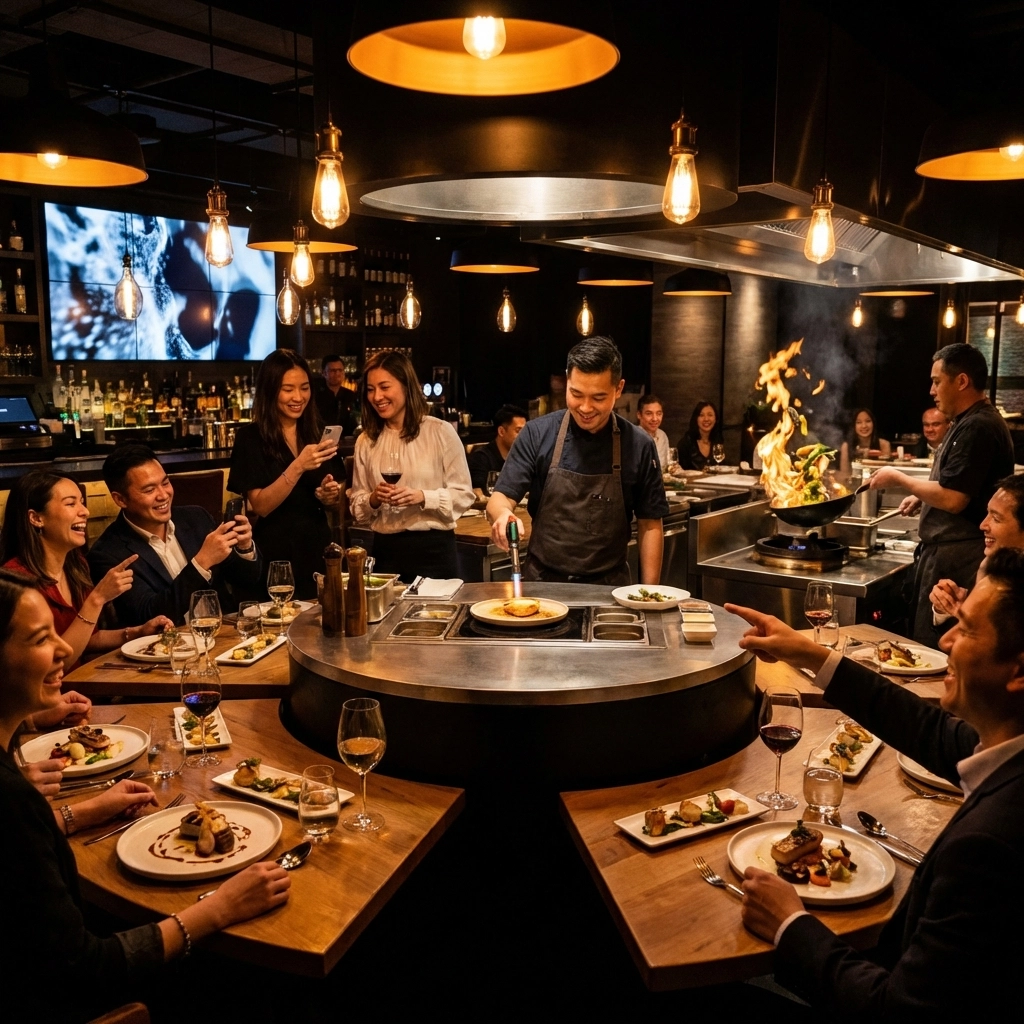
Consumer Trends Driving Menu Innovation
2026 consumer behavior research reveals three dominant trends influencing menu development: transparency in sourcing, customization options that accommodate dietary restrictions, and value perception that extends beyond price points to include experience quality.
Successful restaurants are responding by highlighting ingredient origins, offering modular menu construction that allows personalization, and creating memorable moments that justify premium pricing. The most effective implementations balance operational simplicity with guest satisfaction.
Music and Ambiance: BMI’s Industry Impact
Broadcast Music, Inc.’s (BMI) influence on restaurant atmosphere design often goes unnoticed, but their licensing solutions and curated playlists significantly impact guest experience and average dwell time. Our feature explores how strategic music programming can increase check averages by encouraging longer stays while maintaining appropriate turnover rates.
Looking Ahead: What’s Next for F&B
January 2026 represents a pivotal moment for the food and beverage industry. Labor challenges persist, but innovative operators are finding solutions through technology adoption, process optimization, and strategic partnerships. Successful establishments in 2026 will be those that balance operational efficiency with experiential excellence.
The trends highlighted in our January issue: from elevated affordable flavors to sophisticated non-alcoholic programs: provide a roadmap for navigating an increasingly complex marketplace. However, execution remains more critical than innovation. The concepts and products succeeding in 2026 share common characteristics: they solve real problems, deliver consistent results, and adapt quickly to changing conditions.
Ready to dive deeper? Access the complete January 2026 digital issue at https://lnkd.in/eYzp4b5Z for comprehensive insights, detailed case studies, and actionable strategies that will drive your business forward this year.
For additional industry insights and trending topics, explore our digital publication archives and stay connected with the latest developments shaping food and beverage excellence.
Written by Michael Politz, Author of Guide to Restaurant Success: The Proven Process for Starting Any Restaurant Business From Scratch to Success (ISBN: 978-1-119-66896-1), Founder of Food & Beverage Magazine, the leading online magazine and resource in the industry. Designer of the Bluetooth logo and recognized in Entrepreneur Magazine’s “Top 40 Under 40” for founding American Wholesale Floral. Politz is also the founder of the Proof Awards and the CPG Awards and a partner in numerous consumer brands across the food and beverage sector.