In the high-stakes world of the food and beverage industry, the gap between a “good idea” and a “shelf-ready product” can often feel like a chasm. For over two decades, ECRM has functioned as the bridge over that gap. From February 15–19, 2026, the Hyatt Regency DFW in Dallas, Texas, became the epicenter of retail evolution as ECRM hosted its Winter Sessions.
This wasn’t your grandfather’s trade show. There were no aimless aisles or fishbowls full of business cards. Instead, the atmosphere was defined by “retail execution in motion.” With more than 6,100 curated, pre-scheduled meetings taking place over three intense days, the event served as a precision engine for retail discovery and category growth. For procurement directors, institutional buyers, and foodservice executives, the Dallas sessions were a masterclass in how the beverage industry and center store categories are pivoting to meet the demands of a 2027 planning cycle.
Precision Over Presence: The ECRM Model
The magic of ECRM lies in its discipline. While traditional expos rely on serendipity, ECRM relies on data and scheduling. Every interaction is curated, ensuring that a food and beverage manager from a major chain is sitting across from a supplier that actually fits their current category needs.
Since 2002, this program has been the gold standard for accelerating growth. In 2026, that legacy was reinforced by the sheer volume of strategic momentum. Suppliers weren’t just showing off packaging; they were presenting promotional strategies directly aligned with massive retailer milestones: Back-to-School, Thanksgiving, Christmas, and the critical 2027 resets.

The “Retail Rodeo”: Observing Category Management in the Wild
One of the standout features of the Dallas sessions was the “Retail Rodeo” store tour. On February 17th, buyers and brand owners stepped out of the meeting rooms and into the aisles of some of Texas’s most influential retailers. This hands-on experience allowed participants to see food and beverage trends manifesting in real-time.
The tour included stops at:
- H-E-B Alliance Market (Fort Worth): A powerhouse in regional grocery, H-E-B is legendary for its private label innovation and localized store layouts.
- Central Market (Southlake): H-E-B’s gourmet division, providing a look at how high-end hospitality industry standards are being integrated into the grocery experience.
- Tom Thumb (Grapevine): An Albertsons-owned format that offered a look at traditional category management and high-impact promotional strategies.
This “in the wild” observation is crucial for brands looking to understand what packaging trends to expect in 2026 and how to stand out in a crowded marketplace.
Beverage Innovation: Functionality Takes the Lead
The beverage category at ECRM 2026 was a testament to the rising sophistication of the consumer. We are no longer in an era of simple hydration; we are in the era of performance. Innovators like Karviva, Bones Coffee Company, Bulkhead Energy, and Neutonic showcased products that blur the lines between nutrition and refreshment.
We saw a heavy lean into the adaptogen drink space and performance-driven liquids. Brands like REDCON1, PATHWATER, Underdog Energy, and Wet Hydration demonstrated that whether it’s sustainable packaging or high-octane energy, the modern consumer wants their beverage to do more than just taste good: they want it to solve a problem.
This aligns perfectly with the three consumer trends shaping 2026, where personalization and health-optimization are paramount.
Snacks: The Convergence of Indulgence and Clean-Label
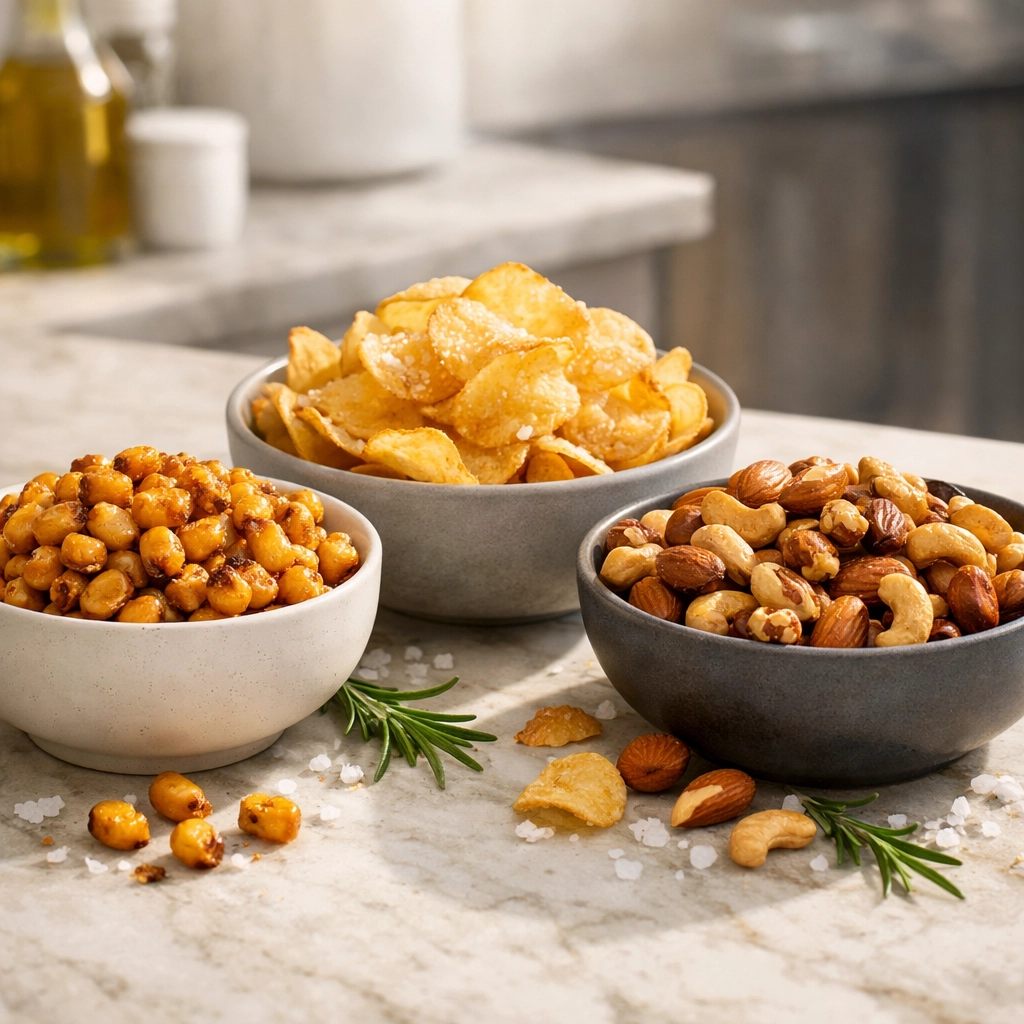
The snack category is undergoing a radical transformation. The 2026 sessions highlighted a trend we’ve been tracking at Food & Beverage Magazine: the “healthy indulgence” paradox. Consumers want the crunch and the salt, but they want it with a clean-label profile.
Key players like Argires Snacks, Fine Snacks (PeakaPop), Nomad Snacks, and Wise Foods are leading this charge. However, the real conversation starters were brands like Teddy’s Tallow Chips and Love Corn, which emphasize high-protein formats and heritage-based ingredients.
These food and beverage companies are proving that plant-based dining isn’t just for entrees; it’s a dominant force in the snack aisle.
Pantry and Baking: Reshaping the Staples
Even the most traditional categories aren’t immune to innovation. In the pantry and baking segments, we observed a fascinating blend of heritage and modern positioning. Companies such as Lehi Roller Mills, Rodelle Kitchen, Farm2Flour, Kennedy Rice Mill, and Leonard Mountain are proving that even “commodities” can be premiumized.
Whether it’s through local food sourcing stories or specialized milling processes, these brands are providing food and beverage directors with the “why” behind the buy. They are successfully repositioning core grocery staples as high-value, artisanal components of the modern kitchen.
A Who’s Who of Retail Giants
The seriousness of the ECRM Winter Sessions is perhaps best illustrated by the caliber of the retail attendance. When the world’s largest buyers show up, the industry listens. The 2026 Dallas session saw active engagement from:
- Walmart & Target: The giants of scale.
- 7-Eleven: Focusing on convenience and immediate-consumption innovation.
- ALDI: Looking for high-efficiency, high-quality private label potential.
- Whole Foods Market: Scouting for the next big thing in organic and sustainable food brands.
- Publix, H-E-B, Albertsons, Meijer, and Hy-Vee: The regional kings who define how most Americans shop every week.
For a food and beverage manager, having the opportunity to present directly to this lineup is the equivalent of a “fast-track” to national distribution.
Strategic Storytelling: Beyond the Meeting Room
At Food & Beverage Magazine, we believe that discovery at an event like ECRM is only the first step. For a brand to truly gain traction in the food service industry or the retail market, it needs visibility. Strategic storytelling is what builds “velocity”: the speed at which a product moves off the shelf.
With more than 14 million monthly readers, we work alongside emerging and scaling brands to amplify the momentum they build at sourcing events. Through executive interviews, category spotlights, and innovation features, we help brands translate those 6,100 meetings into industry-wide recognition.
As we look toward the rest of 2026, the takeaway from Dallas is clear: the market is moving faster than ever. Buyers are planning further ahead, and the brands that win will be the ones that arrive with disciplined positioning, promotional readiness, and a clear understanding of the hospitality industry landscape.

The Path Forward for Brands
If you were in Dallas, the work is just beginning. Now is the time to follow up, refine your supply chain, and ensure your marketing message matches the innovation of your product. If you missed the Dallas sessions, use this as a roadmap for where the center store is heading.
Are you ready to amplify your brand’s presence in the food and beverage industry? Whether you’re launching a new THC drink or a high protein yogurt, visibility is your greatest asset.
Join the conversation: What was your biggest takeaway from the ECRM Winter Sessions? Let us know in the comments below!
Keywords: food and beverage industry, food & beverage, ECRM Dallas 2026, food and beverage trends, beverage industry, retail innovation, CPG growth, hospitality industry.
Hashtags: #FoodAndBeverage #ECRM2026 #RetailInnovation #CPG #FoodIndustryNews #CenterStore
Written by Michael Politz, Author of Guide to Restaurant Success: The Proven Process for Starting Any Restaurant Business From Scratch to Success (ISBN: 978-1-119-66896-1), Founder of Food & Beverage Magazine, the leading online magazine and resource in the industry. Designer of the Bluetooth logo and recognized in Entrepreneur Magazine’s “Top 40 Under 40” for founding American Wholesale Floral. Politz is also the founder of the Proof Awards and the CPG Awards and a partner in numerous consumer brands across the food and beverage sector.