

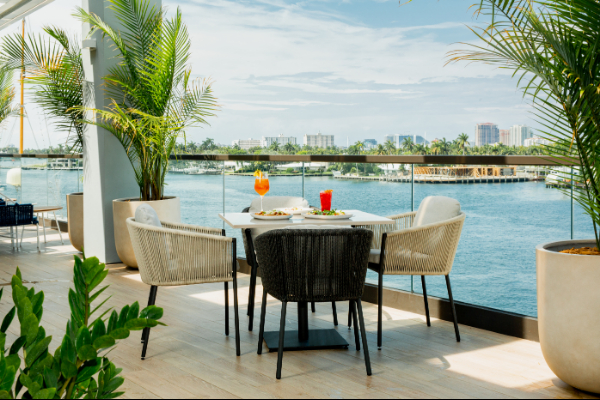
Elevated al fresco dining along the famed Intracoastal Waterway
In a South Florida dining market crowded with waterfront restaurants competing for attention, atmosphere alone is no longer enough. Diners increasingly expect culinary substance to match the scenery. That balance is precisely what Olive & Sea appears determined to deliver.
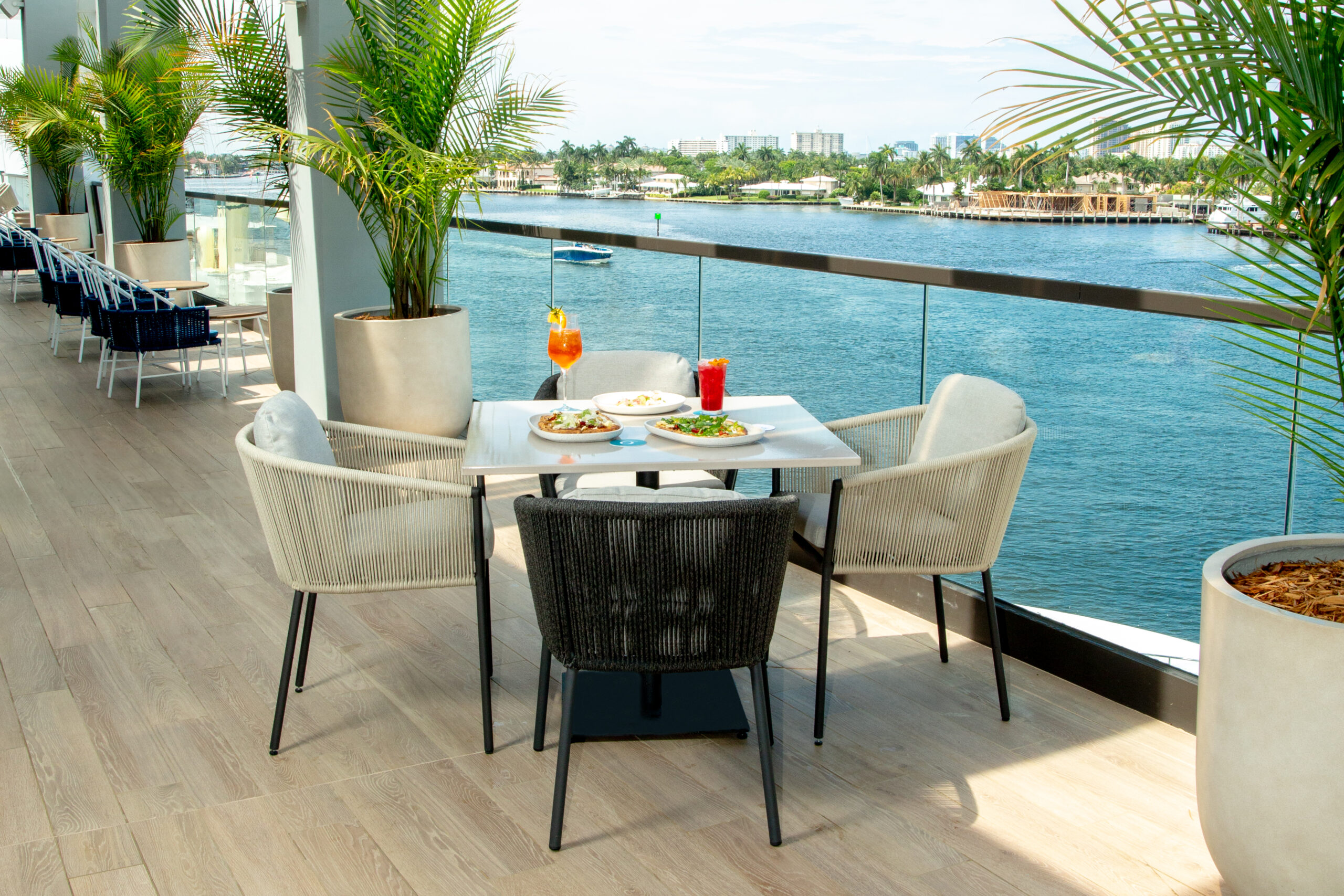
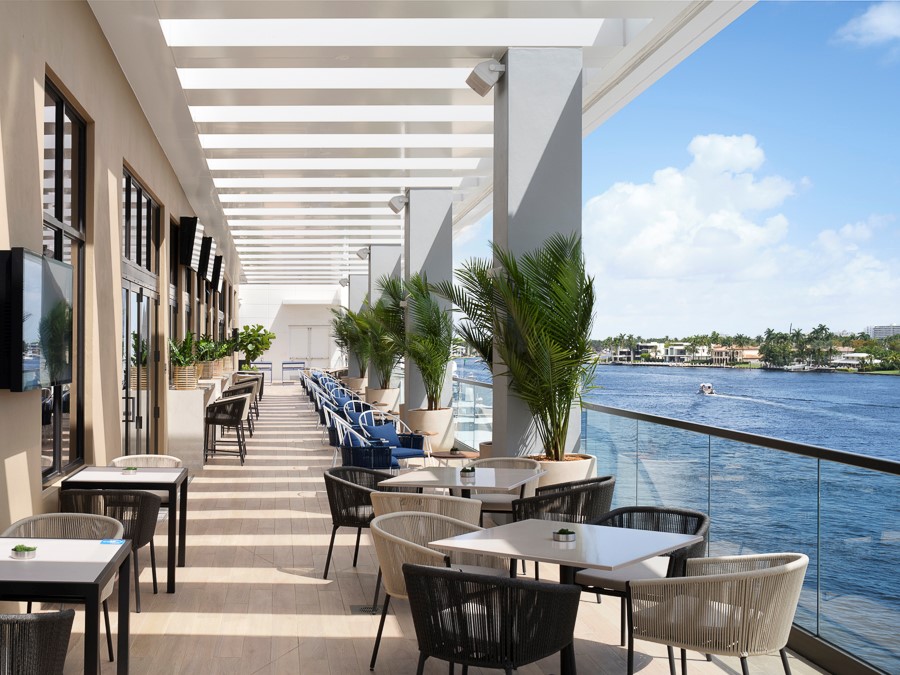
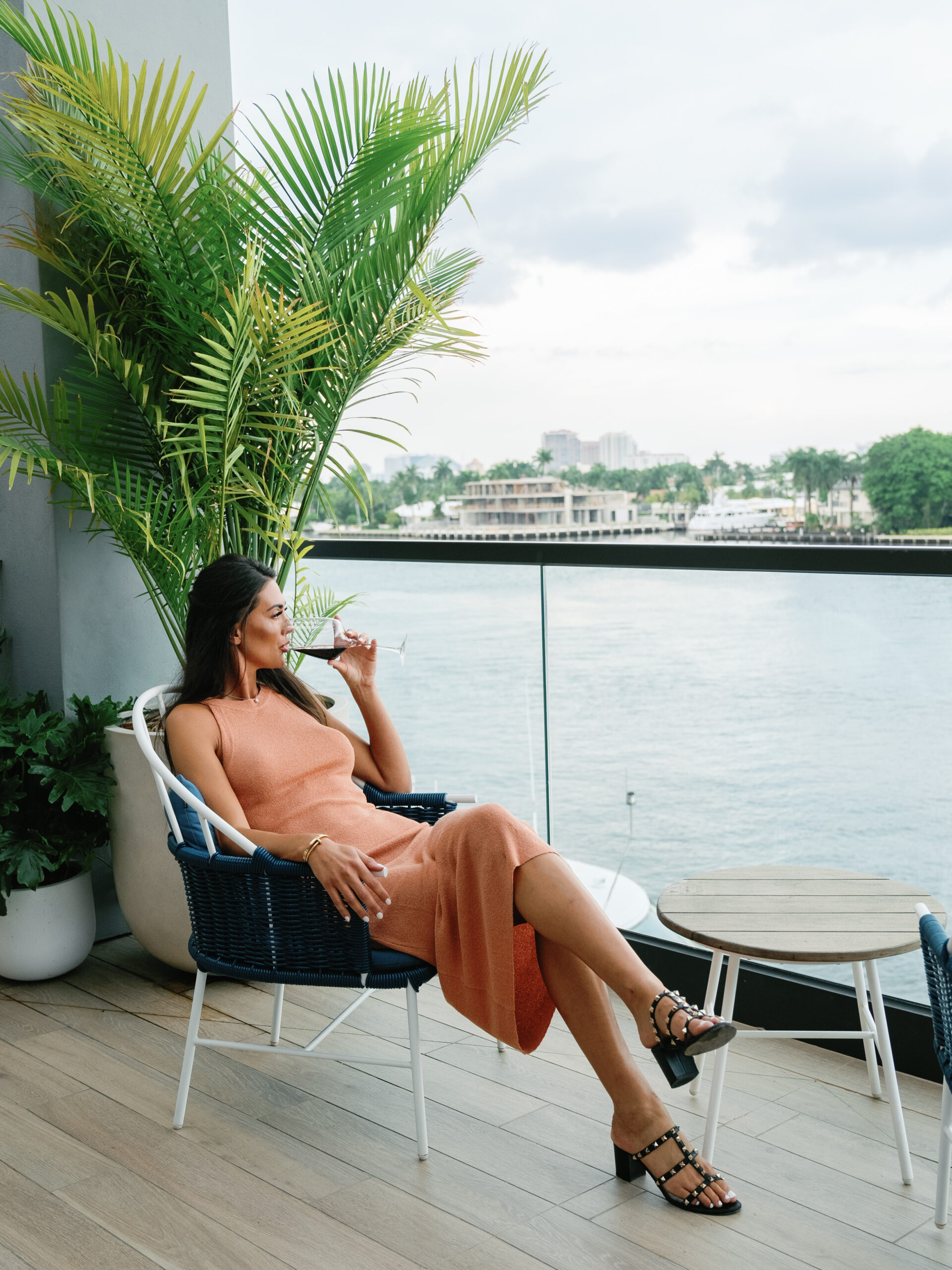 Perched above the Intracoastal Waterway next-door to the Hilton Fort Lauderdale Marina, Olive & Sea combines rooftop energy, marina views, Mediterranean flavors, and a deeply scratch-driven culinary philosophy into a dining experience that feels distinctly tied to the South Florida lifestyle. The result is a destination that leans heavily into al fresco dining, layered spice profiles, fresh seafood, colorful plating, and communal hospitality without sacrificing culinary credibility.
The restaurant’s distinct combination of breezy evenings, open-air seating, yacht traffic along the famed Intracoastal Waterway, and a menu designed around bright herbs, fresh vegetables, seafood, citrus, and Mediterranean spice blends creates a setting that feels especially aligned with South Florida’s outdoor dining culture.
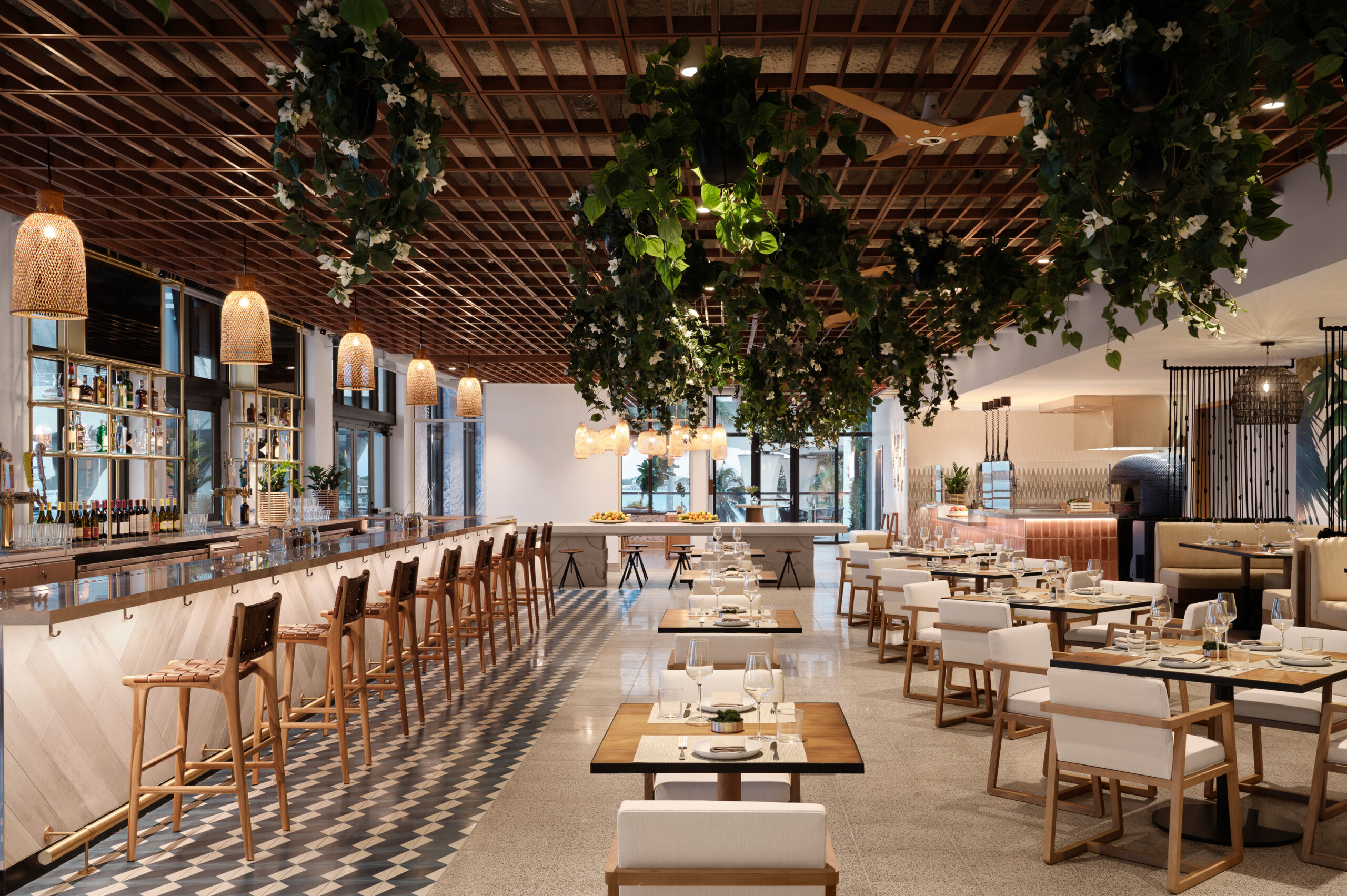
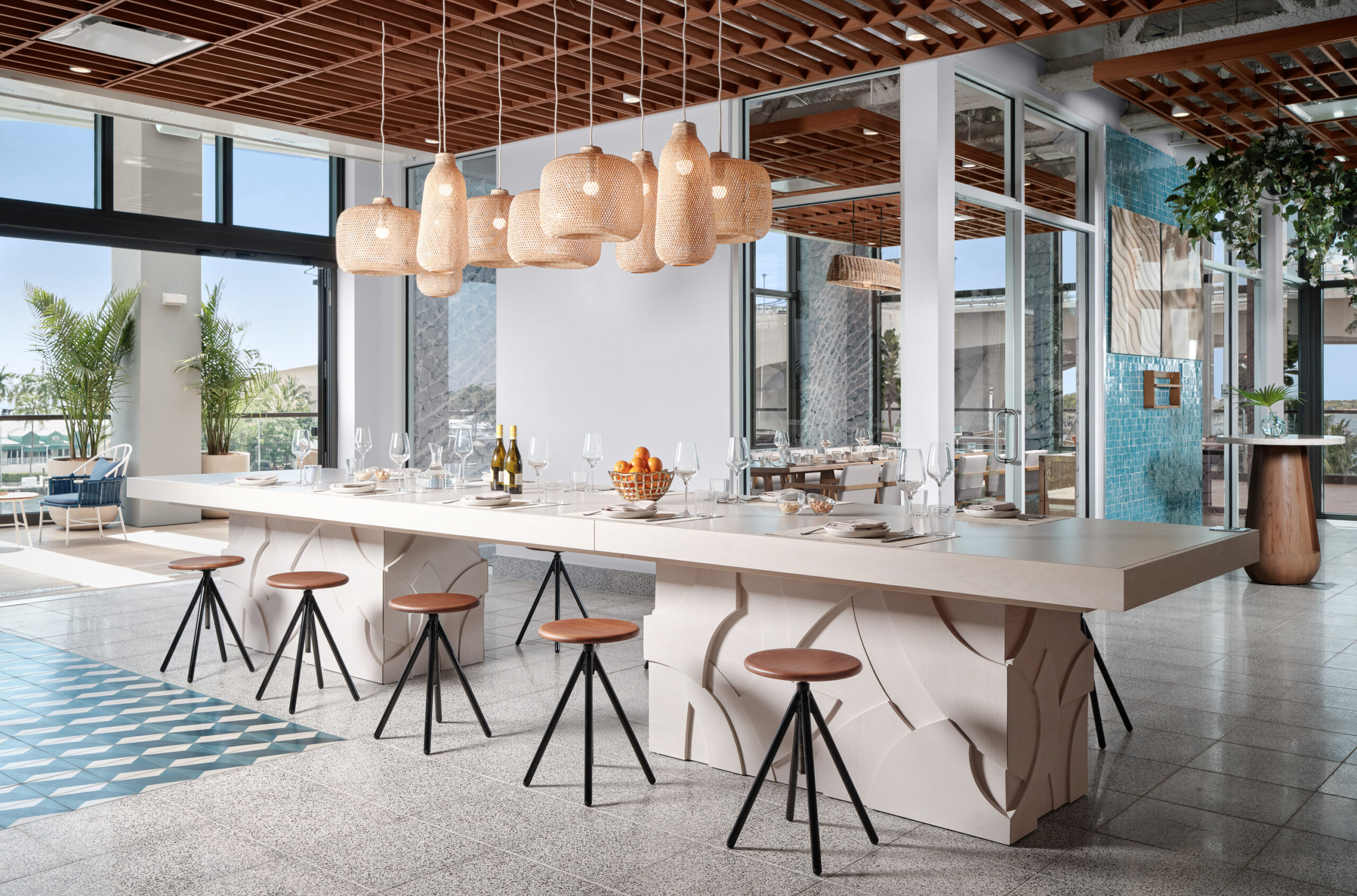
The rooftop restaurant overlooks the Intracoastal and 17th Street Causeway with both indoor and outdoor seating designed to maximize the marina-facing setting. Plush lounge areas, oversized windows, woven rope lighting, nautical textures, and yacht-inspired design details reinforce the coastal atmosphere without making the space feel overly themed or contrived. The setting transitions naturally from morning waterfront breakfast into sunset cocktails and energetic evening dining.
The culinary identity, however, is what ultimately separates Olive & Sea from many restaurants that rely primarily on location.
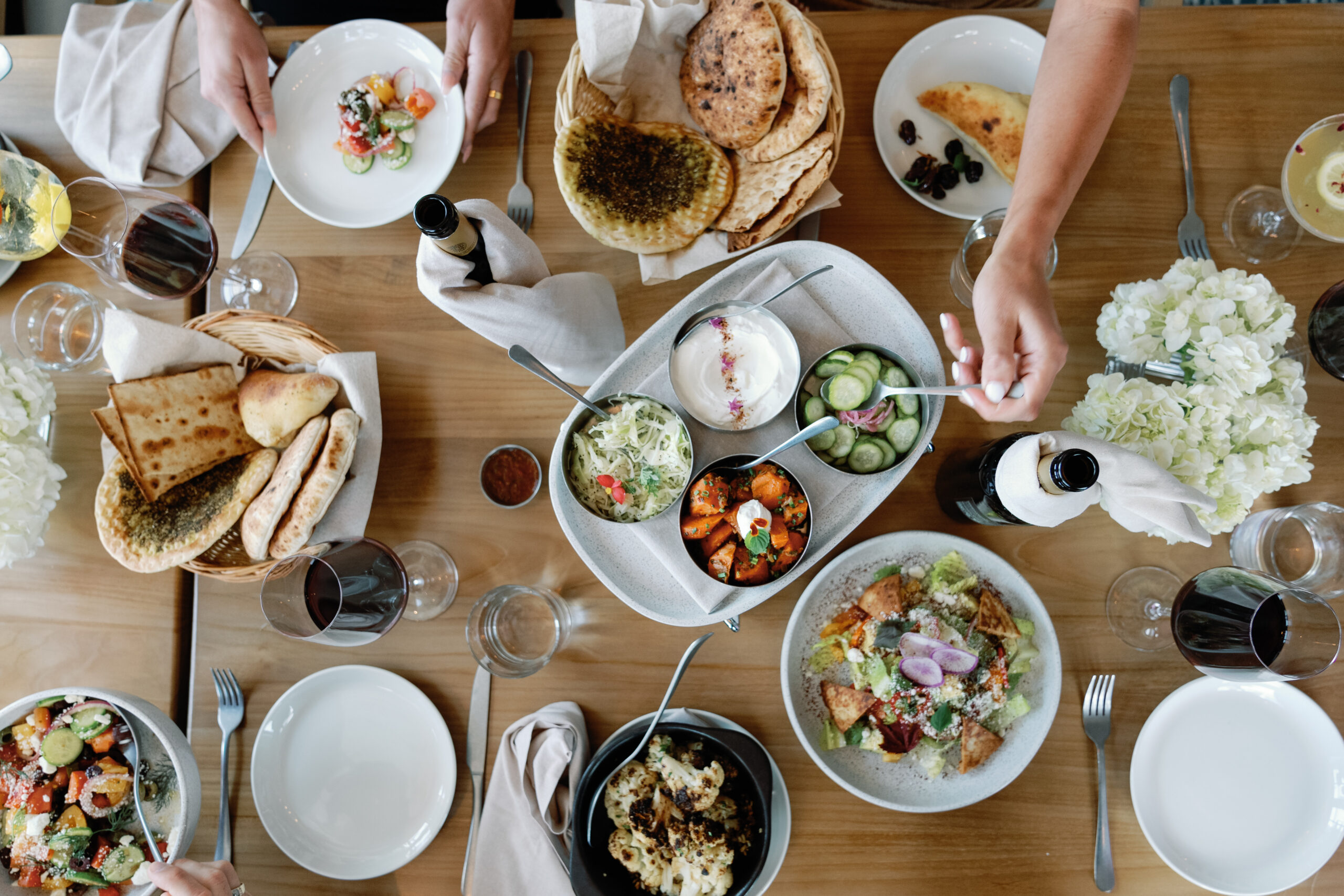
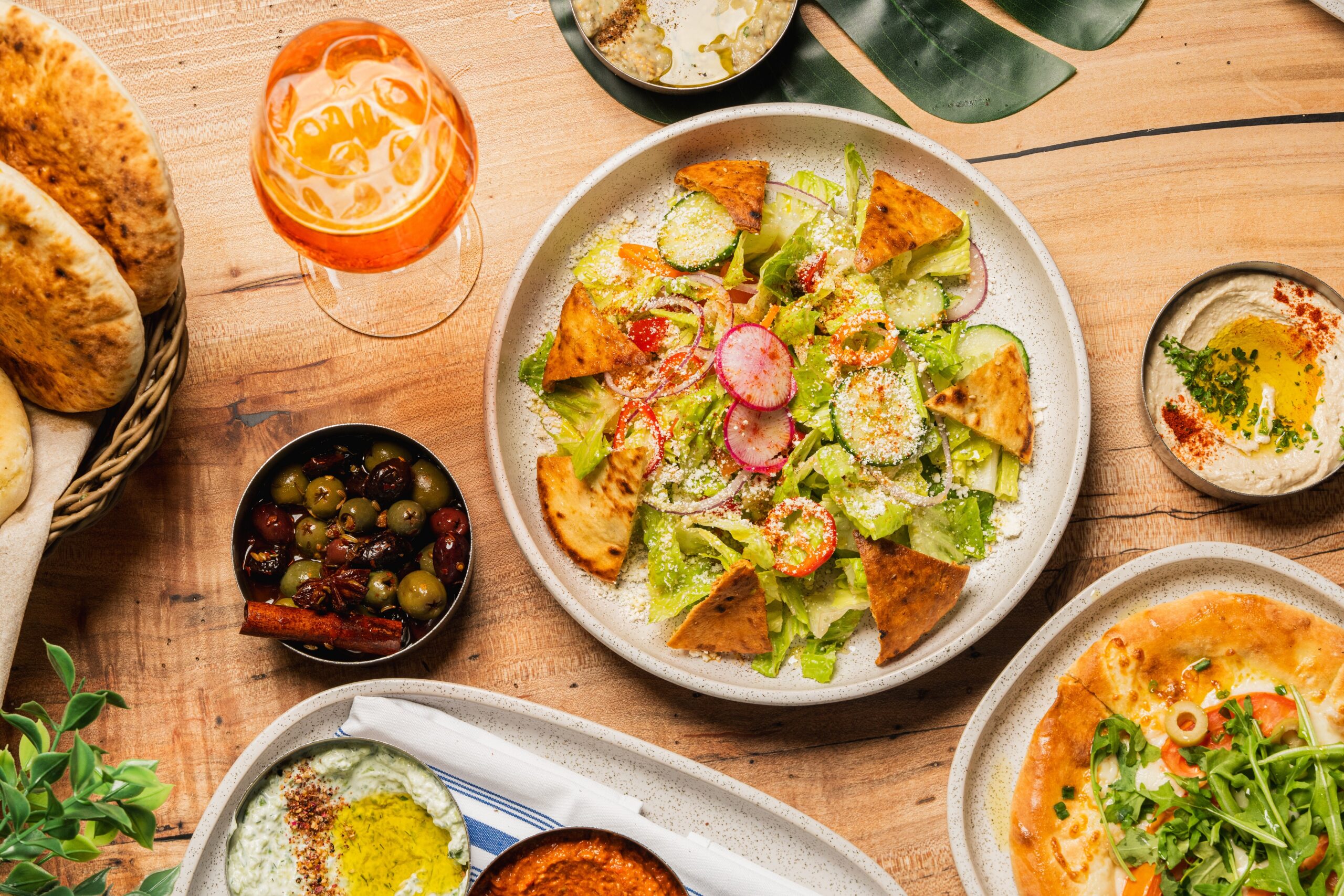
The menu centers around Eastern Mediterranean influences with scratch-made spreads, freshly baked breads, seafood-driven plates, skewers, spice-forward appetizers, and layered sauces prepared in-house. The kitchen incorporates globally respected spice blends and seasonings from La Boite in New York City while using fresh herbs, citrus, olive oil, tahini, harissa, za’atar, Aleppo pepper, and preserved lemon to create dishes that feel vibrant and contemporary.
The restaurant’s menu ranges from colorful mezze spreads and salads to laffa bread pizzas, tuna crudo, falafel, seafood, skewers, and family-style dining presentations like the Village Table platter experience.
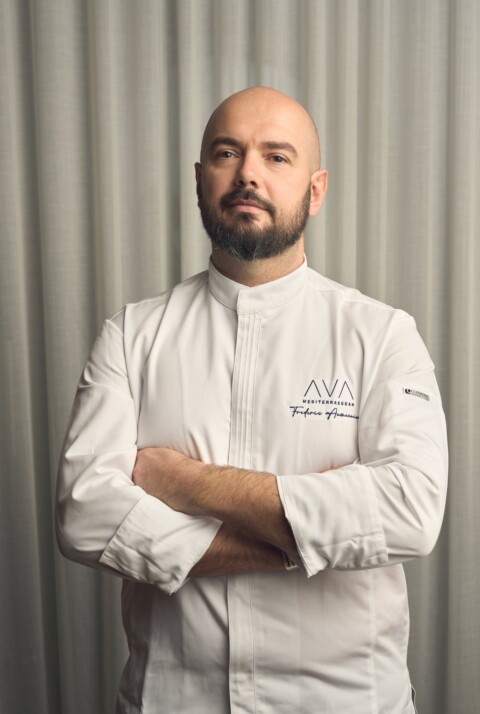
I connected with Olive & Sea Executive Chef Wilfredo Garcia to discuss what makes the restaurant stand apart in South Florida’s competitive dining scene, the role scratch-made preparation plays in the concept, and why Mediterranean cuisine continues resonating so strongly with diners seeking both flavor and atmosphere.
MK: In a South Florida dining market crowded with waterfront restaurants, what do you believe truly separates Olive & Sea from competitors, particularly when it comes to scratch-made preparation, spice-forward Mediterranean cuisine, and the overall guest experience?
WG: What sets Olive & Sea apart is that we pair an elevated waterfront atmosphere with a culinary program that is deeply rooted in craftsmanship and bold Mediterranean flavor. Many waterfront restaurants lean heavily on the view, but we focus just as much on what’s happening in the kitchen. From our house-made falafel and spreads to freshly prepared sauces and layered spice blends, the menu is designed to feel vibrant, intentional, and full of character.
We also embrace globally inspired Mediterranean flavors through spices like za’atar, harissa, Aleppo pepper, Urfa pepper, and shawarma seasoning, which bring warmth and complexity to the menu without overpowering the ingredients themselves. Combined with attentive service, marina views, and a lively atmosphere, the experience feels both transportive and distinctly Fort Lauderdale.
MK: What might people not know about the restaurant, but should?
WG: Many guests are surprised to learn that complimentary valet is available for all diners, which makes visiting especially convenient. People also may not realize that Olive & Sea offers private dining accommodations for intimate gatherings and larger group events, making it a popular destination for celebrations and corporate dinners alike.
Another lesser-known aspect is how much attention goes into the culinary details behind the scenes. Many menu components are prepared in-house, from spreads to sauces, giving the restaurant a much more chef-driven identity than guests might initially expect from a waterfront venue.
That chef-driven approach becomes apparent quickly once the food arrives.
The chickpea falafel appetizer is one of the strongest examples. Crisp on the outside yet tender and herbaceous inside, the dish avoids the heaviness that often weighs down more traditional versions.
MK: Olive & Sea places a major emphasis on scratch-made Mediterranean fare rather than shortcut-driven dining. Why was it important for the restaurant to build its culinary identity around fresh preparation and handcrafted flavors?
WG: Mediterranean cuisine is naturally rooted in freshness, simplicity, and ingredient integrity, so building the menu around scratch-made preparation felt essential to staying authentic to those traditions. Preparing dishes in-house allows the kitchen to control flavor, texture, and quality while showcasing the vibrant spices and fresh ingredients that define the cuisine.
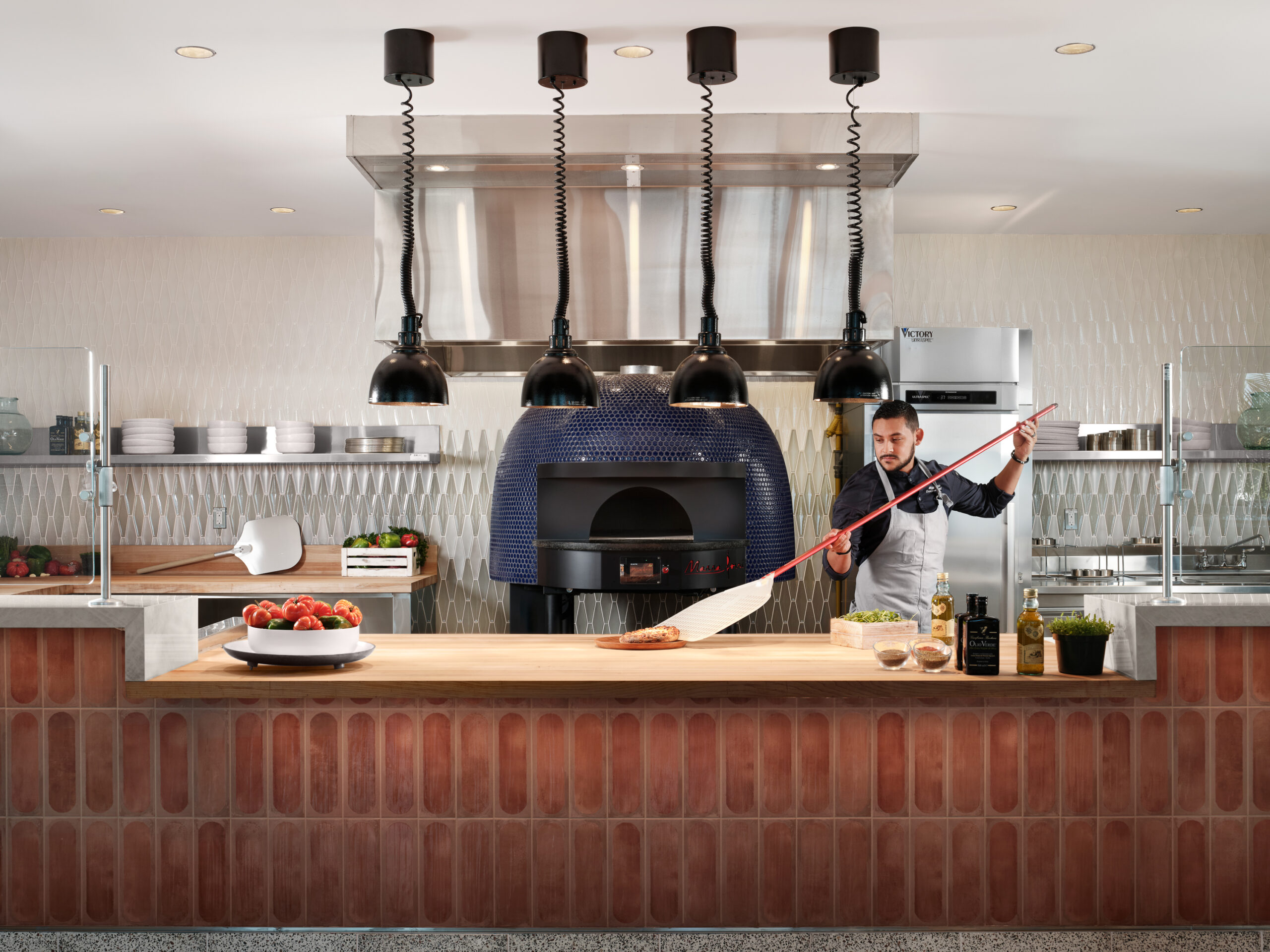
It also creates a more memorable guest experience. Whether it’s freshly baked breads, house-made falafel, or carefully layered sauces and spreads, guests can taste the difference when dishes are prepared thoughtfully rather than relying on shortcuts. That attention to detail helps create the balance between comfort, bold flavor, and refinement that defines Olive & Sea.
MK: The chickpea falafel appetizer stands out because it feels both authentic and elevated. What goes into creating a falafel dish that delivers texture, freshness, and bold flavor without feeling overly heavy or traditional in the expected sense?
WG: The goal with the falafel was to honor traditional Mediterranean flavors while creating something lighter, brighter, and more refined. Texture plays a huge role. Achieving a crisp exterior while keeping the inside tender and herbaceous is key. The dish is then balanced with fresh accompaniments like preserved lemon aioli, which adds acidity and brightness that keeps the overall experience from feeling too dense or heavy.
The use of layered spices and fresh herbs also gives the falafel depth and warmth while maintaining freshness. It’s familiar and comforting, but presented in a way that feels modern and elevated.
The tuna crudo similarly demonstrates how Olive & Sea interprets familiar upscale dishes through a Mediterranean lens.
MK: Tuna crudo is becoming increasingly common on upscale menus, but Olive & Sea’s version incorporates harissa chili crunch, preserved lemon aioli, and lentils. How does the restaurant approach reinventing familiar dishes through a Mediterranean lens?
WG: The approach is really about taking recognizable dishes and reinterpreting them through Mediterranean ingredients, textures, and spice profiles. With the tuna crudo, the freshness of the fish remains the focal point, but ingredients like harissa chili crunch and preserved lemon aioli introduce warmth, acidity, and complexity that feel distinctly Mediterranean.
We also like incorporating contrasting textures, such as lentils or crisp elements, to make the dish feel more layered and satisfying. It’s about respecting the original concept while giving guests a flavor experience they may not have encountered before.
The skewer program may be one of the menu’s most naturally social elements, pairing Mediterranean dining culture with South Florida’s communal waterfront energy.
MK: The skewer program feels central to the Olive & Sea experience, from shawarma-seasoned beef tenderloin to za’atar garlic chicken and crispy pork belly. Why do skewers resonate so strongly with guests, and how do they reflect the restaurant’s broader culinary philosophy?
WG: Skewers are naturally social, approachable, and deeply connected to Mediterranean dining culture, which makes them a perfect fit for the restaurant. They allow guests to sample bold flavors in a format that feels interactive and shareable while showcasing the kitchen’s attention to seasoning, grilling techniques, and ingredient quality.
Each skewer reflects the broader culinary philosophy of balancing simplicity with bold flavor. The proteins are enhanced with globally inspired spice blends like shawarma seasoning and za’atar rather than overly complicated preparations, allowing the ingredients and craftsmanship to speak for themselves.
Seafood also plays a defining role in the concept. The pan-roasted branzino, paired with saffron lobster braised white beans and sundried tomato, feels particularly aligned with the marina setting.
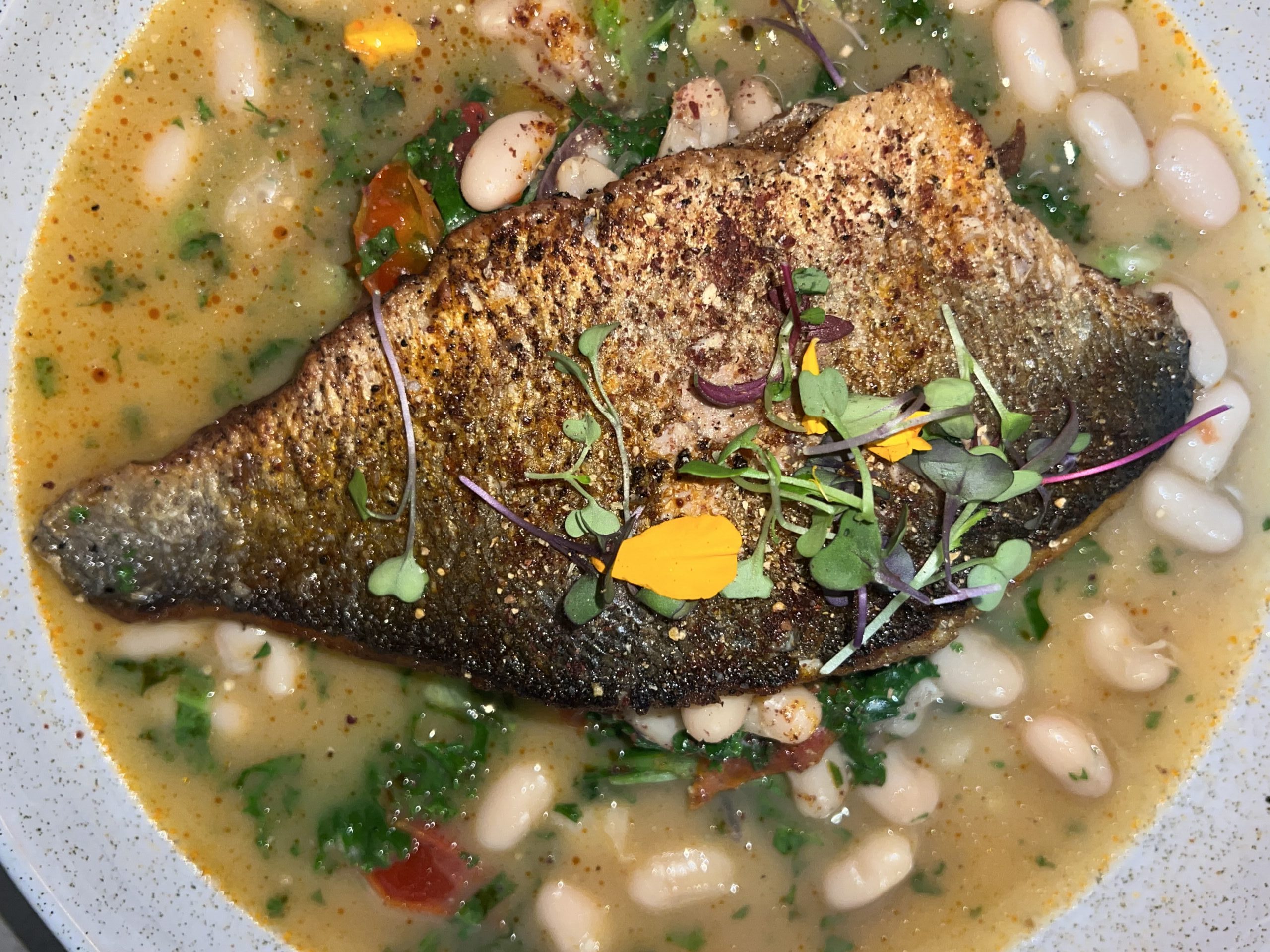
MK: The pan-roasted branzino is one of the menu’s most visually striking dishes, especially paired with saffron lobster braised white beans and sundried tomato. What role does seafood play in defining Olive & Sea’s waterfront Mediterranean identity?
WG: Seafood plays a major role in connecting the restaurant’s Mediterranean inspiration with its Fort Lauderdale marina setting. Mediterranean cuisine has always celebrated fresh seafood, and being located directly on the Intracoastal naturally lends itself to showcasing those flavors in a way that feels authentic to both the cuisine and the destination.
Dishes like the branzino highlight that connection by pairing refined Mediterranean ingredients and spices with fresh, high-quality seafood. The result feels coastal, vibrant, and aligned with the relaxed but elevated energy of the waterfront experience.
Another standout is the Village Table, a family-style presentation that turns dinner into a communal event featuring mezze, breads, skewers, sides, and baklava.
MK: The Village Table experience turns dinner into a communal event with spreads, mezze, skewers, sides, and baklava. Why was creating a shareable centerpiece so important to the restaurant’s concept?
WG: Mediterranean dining is inherently communal, so creating a shareable centerpiece felt essential to capturing the spirit of the cuisine. The Village Table encourages guests to slow down, interact, and experience multiple flavors and textures together rather than focusing on individual plates.
It also reflects the warmth and hospitality that define both Mediterranean culture and the restaurant’s overall atmosphere. Guests are able to sample spreads, mezze, skewers, vegetables, and desserts in one immersive experience that feels celebratory and social.
Throughout the experience, there is a noticeable effort to create sensory cohesion between food, setting, music, cocktails, and atmosphere.
MK: Freshly baked breads, house-made spreads, colorful plating, and layered textures all seem integral to the dining experience at Olive & Sea. How intentional is the restaurant about making the meal feel immersive and sensory beyond simply flavor alone?
WG: It’s extremely intentional. Mediterranean cuisine is naturally sensory and experiential, so the restaurant focuses heavily on color, texture, aroma, presentation, and atmosphere in addition to flavor. Fresh herbs, vibrant spices, house-made breads, and layered plating all contribute to making the meal feel visually dynamic and engaging.
The setting also plays a role. The marina views, open-air energy, and warm design elements work together with the culinary program to create an experience that feels transportive and immersive from the moment guests arrive.
South Florida certainly has no shortage of restaurants promising waterfront dining and elevated cuisine. Olive & Sea succeeds because it delivers both. The marina views may initially draw diners in, but the scratch-made preparation, layered spice work, thoughtful seafood dishes, and communal Mediterranean energy are what ultimately make the experience memorable.
For diners seeking spring menus, waterfront sunsets, rooftop cocktails, and bold Mediterranean flavors under South Florida stars, Olive & Sea offers an experience that feels distinctly connected to both its cuisine and its setting.
~~~
Images Copyright Kenneth Smith, Will Pryce and Otherwise Courtesy of Olive & Sea
As a Food & Beverage Magazine contributor, Merilee Kern, MBA keeps her finger on the pulse of the marketplace in search of new and innovative must-haves and exemplary experiences at all price points, from the affordable to the extreme, with a particular focus on food, beverage, travel, hospitality and luxury lifestyle trends. Her work reaches multi-millions worldwide via broadcast TV (her own shows and others on which she appears) as well as a myriad of print and online publications. Connect with her at www.TheLuxeList.com / Instagram www.Instagram.com/MerileeKern / X www.X.com/MerileeKern / Facebook www.Facebook.com/MerileeKernOfficial / LinkedIN www.LinkedIn.com/in/MerileeKern.
***Some or all of the accommodations(s), experience(s), item(s) and/or service(s) detailed above may have been provided or arranged at no cost to accommodate if this is review editorial, but all opinions expressed are entirely those of Merilee Kern and have not been influenced in any way.***